
Blog
What I Wish I’d Known

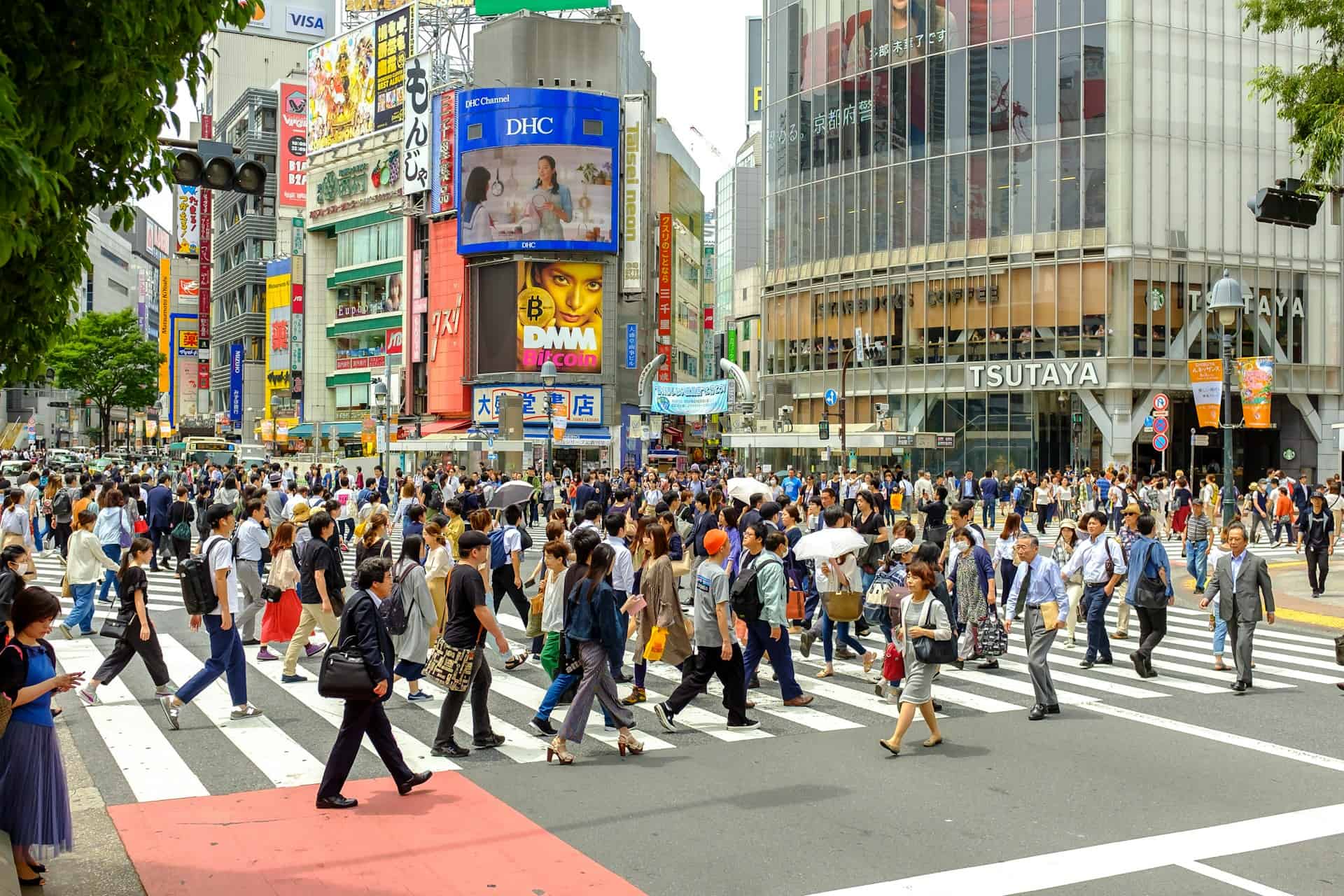
Landing at Narita, I grabbed my luggage and did what every Japan travel guide warns against: panicked about money.
Japan is known for being expensive, and it can be if you travel like most tourists. But after three weeks backpacking through Tokyo, Kyoto, Osaka, and Hiroshima, I spent less per day than during the two weeks in Western Europe. Japan is affordable if you know how to make the most of the system.
Here’s what I learned about traveling in Japan on a budget, much of it from personal trial and error.
Getting Around Japan: The Japan Rail Pass Question
The first thing to figure out is whether the Japan Rail Pass is actually worth buying.
The JR Pass gives you unlimited travel on most JR trains, including the bullet train (shinkansen), for a set number of days. A 7-day pass runs about ¥50,000 (roughly $330).
Sounds like a lot until you realize that a single Tokyo-to-Kyoto bullet train ticket costs ¥14,000 one-way. If you’re hitting Tokyo, Kyoto, Osaka, and Hiroshima in a week, the pass pays for itself in two rides.
But here’s what most guides don’t mention: if you stay in one city for more than a few days, the JR Pass is a waste. I spent five days in Tokyo and didn’t need it once because the metro runs on a separate system.
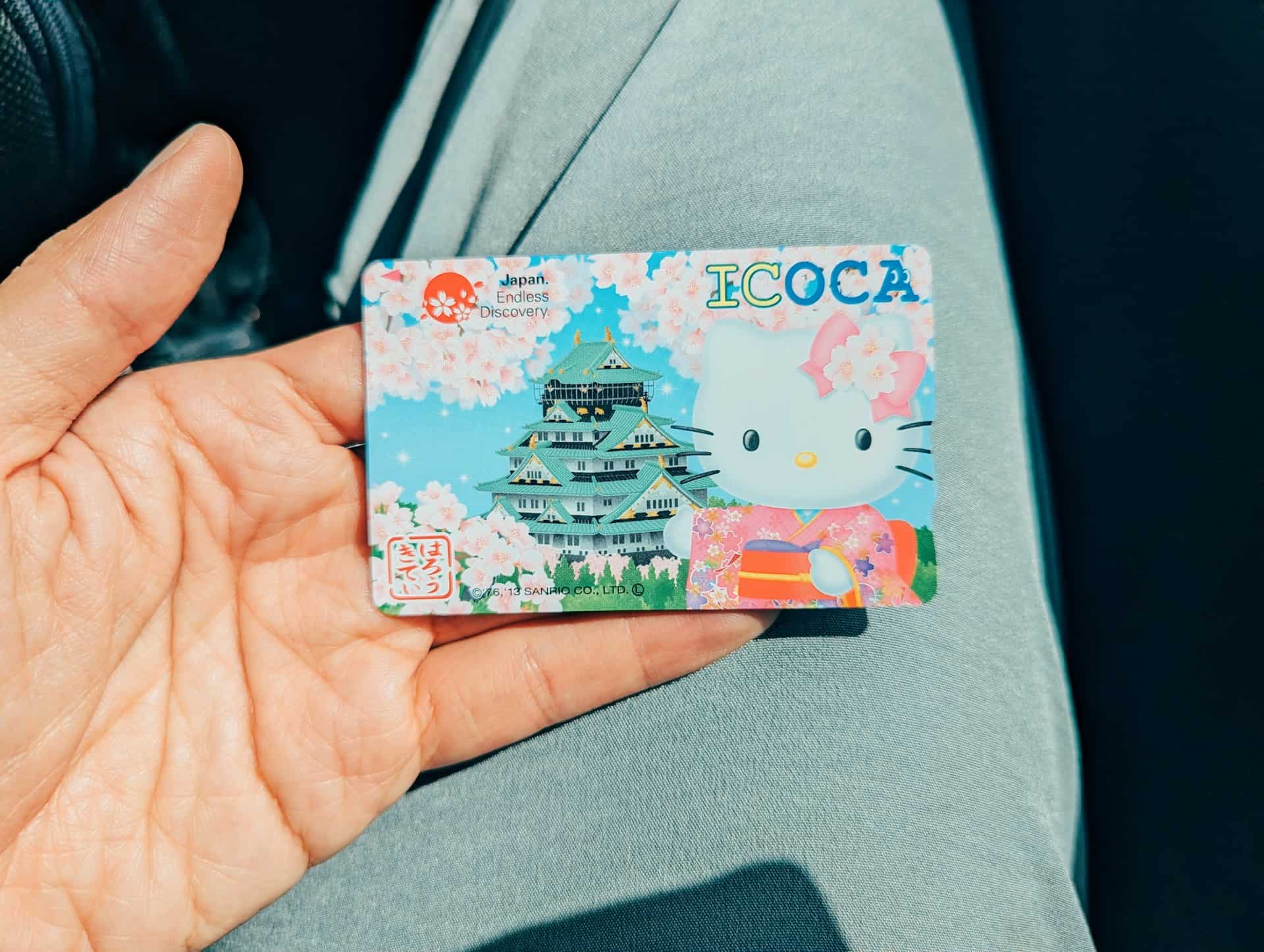
Buy an IC card (Suica, Pasmo, or ICOCA) instead. Load it with a few thousand yen and tap on and off trains, buses, and even vending machines. The IC card is your best friend for getting around major cities.
For longer trips between cities, highway and overnight buses are the backpacker move. A night bus from Tokyo to Osaka costs about ¥3,000 to ¥5,000, a fraction of the bullet train price, and you save a night of accommodation.
The buses are clean, quiet, and more comfortable than they have any right to be. Japan does public transport better than anywhere I’ve been.
Where To Sleep: Hostels, Capsule Hotels, and the Cheapest Tatami in Town
Japan’s hostel scene is excellent. In Tokyo and Osaka, expect to pay ¥2,500 to ¥4,000 per night for a dorm bed, about $17 to $27. Most hostels are spotless (this is Japan, after all), and many have common areas that are better than some hotel lobbies I’ve seen.
Capsule hotels look wild in photos, but are just comfortable pods with a curtain, a light, and a power outlet. Prices hover around ¥3,000 to ¥4,500 per night. I slept three nights and did better than expected. If you’re tall (I’m 6’1″), you’ll fit but just barely.
For something more traditional, look into budget ryokan or guesthouses with tatami mat floors. Sleeping on a futon on tatami mats is one of those experiences that sounds uncomfortable but is actually great for your back. Budget options start around ¥4,000 in smaller cities like Takayama or around Hiroshima.
Key takeaways: book ahead during cherry blossom season (late March through mid-April). Hotel rooms and hostels fill weeks in advance, and prices spike. If you can travel in May, October, or November, you’ll get better weather, fewer tourists, and lower prices.
Eating Well Without Destroying Your Budget
This is where Japan broke my brain a little. Japanese food is world-class AND cheap, if you eat where Japanese people eat.
Convenience stores (konbini) are not the sad airport shops you’re picturing. 7-Eleven, Lawson, and FamilyMart sell fresh onigiri for ¥120, bento boxes for ¥400 to ¥600, and hot meals that are surprisingly good.
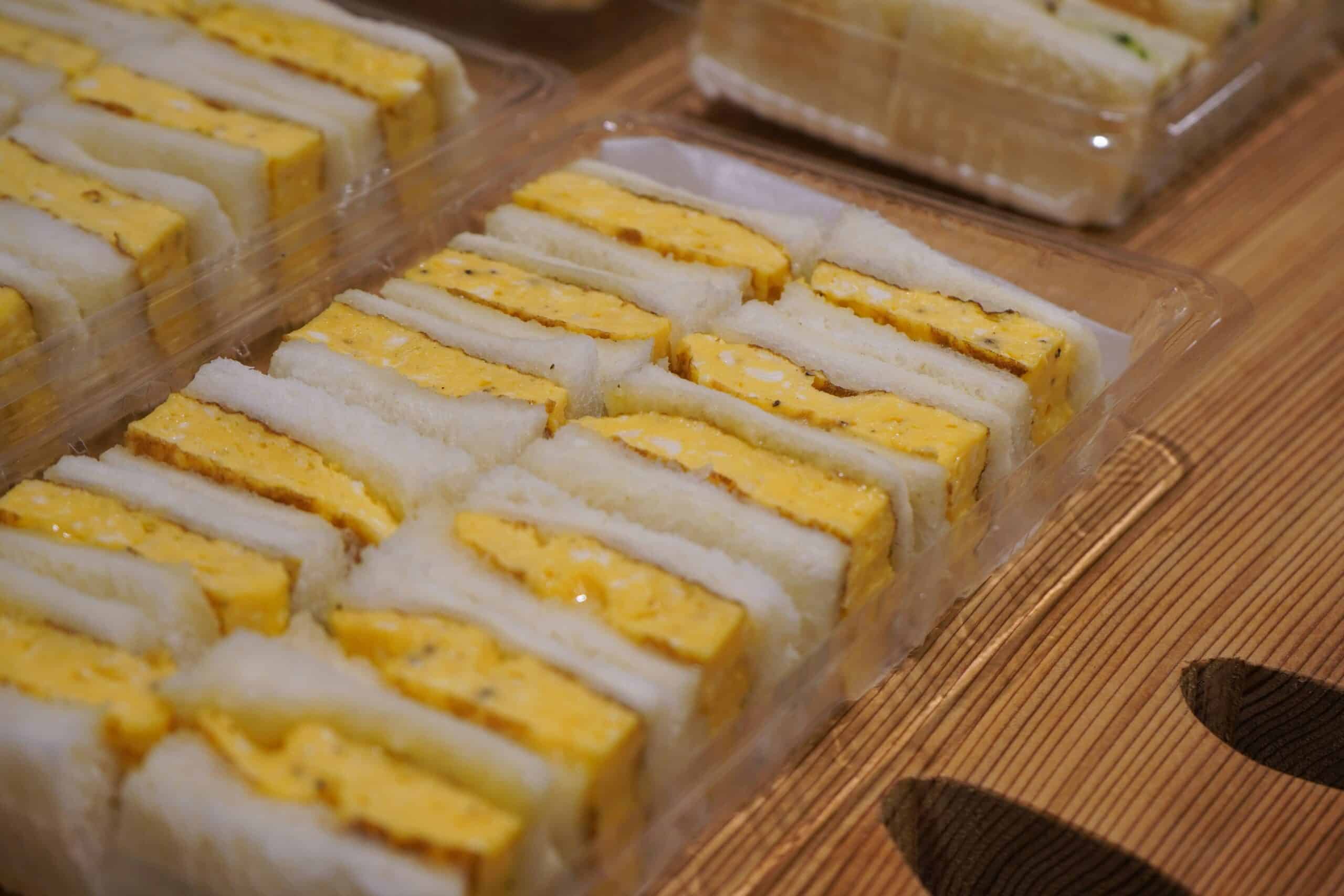
I ate konbini breakfasts almost every morning and looked forward to them. The egg sandwiches alone are worth the trip. I don’t know what they do to them, but they’re unreasonably good.
For lunch and dinner, follow the lunchtime office workers. Ramen shops charge ¥700 to ¥1,000 for a full bowl. Gyudon (beef bowl) chains like Yoshinoya or Matsuya serve filling meals for ¥400 to ¥500.
Conveyor-belt sushi (kaiten-zushi) costs ¥100 to ¥200 per plate, and the quality is better than at most sit-down sushi restaurants back home.
Street food varies by city. Osaka is the undisputed street food capital – takoyaki (octopus balls) for ¥500, okonomiyaki for ¥600 to ¥800. In Kyoto, hit Nishiki Market early before the tourist crowds make it impossible to move. In Tokyo, Ameyoko Market near Ueno Station is where locals actually shop.
Department store basements (depachika) do something magical around 6-7 p.m.: they discount everything that must sell that day. High-end sushi, wagyu bento, fancy desserts – all marked down 30-50%. Show up at closing time and eat like royalty for backpacker prices.
Japan Travel Tips That Actually Matter
Cash is still king. Japan is more cash-dependent than you’d expect for a technologically advanced country. Many smaller restaurants, temples, and local shops don’t take cards. Withdraw yen from 7-Eleven ATMs (they accept foreign cards reliably) and keep ¥10,000 to ¥20,000 on you.
Learn five basic Japanese phrases. Most Japanese people in bigger cities understand some English, but the effort matters.
“Sumimasen” (excuse me), “arigatou gozaimasu” (thank you very much), and “eigo no menu wa arimasu ka” (do you have an English menu?) will get you through 90% of restaurant interactions.
Google Translate with the camera function handles the rest. Point it at any menu, and it translates in real time.
Shoes off. Always check. Temples, restaurants, hostels, and fitting rooms. If you see shoes lined up at an entrance, take yours off too. Wear socks without holes.
Get a pocket Wi-Fi or an eSIM before you land. Free Wi-Fi in Japan is patchy outside train stations and konbini. Google Maps is key to navigating the train system. You will not figure out Shinjuku Station without it.
You’ll want data for Google Translate when the language barrier hits. I used Roambit eSIM on my last trip. I installed the profile before boarding and had data the instant I landed at Narita, no SIM card swapping needed.
Whatever you choose, don’t arrive in Japan without a connectivity plan. You’ll regret it within the first hour.
Trains stop running around midnight. Plan to arrive at your accommodation by 11:30 p.m. or budget for a taxi. Missing the last train in Tokyo costs ¥3,000 to ¥5,000.
A Suggested Route for First-Time Travelers
If you have two weeks, here’s the route that gives you the best mix without rushing:
Tokyo (4-5 days): Shibuya, Shinjuku, Harajuku, Asakusa’s Senso-ji temple, Akihabara, Tsukiji Outer Market, and a day trip to Kamakura or Nikko. Tokyo alone could fill a month, but five days hit the highlights without burning you out.
Hakone or the Mount Fuji area (1-2 days): Hot springs, lake views, and on a clear day, Mount Fuji framed against everything. The Hakone Free Pass covers transport and is worth it.
Kyoto (3-4 days): Fushimi Inari early morning (go at 6 a.m. to beat the crowds), the bamboo grove in Arashiyama, Kinkaku-ji, and wandering the Higashiyama district. Rent a bike. Biking around Kyoto was one of the best things I did on my trip.
Osaka (2-3 days): Dotonbori for the food, Osaka Castle for history, Shinsekai for atmosphere. Osaka is louder, messier, and more fun than Kyoto. If you’re into backpacking, Osaka’s hostels tend to be more social than Tokyo’s.
Hiroshima + Miyajima Island (1-2 days): The Peace Memorial Museum is heavy but important. Miyajima Island and its floating torii gate are a short ferry ride away and feel as if stepping into a completely different Japan.
This route works well with a 14-day JR Pass if you’re moving fast. If you’re spending longer stretches in one city, skip the pass and bus between them.
What Backpacking Japan Actually Costs
My daily breakdown for three weeks:
Accommodation averaged ¥3,000/night ($20). Food costs around ¥2,000 to ¥3,000/day ($13-$20), with konbini breakfasts, cheap lunch spots, and one proper dinner.
Transport within cities costs ¥500-¥1,000/day using IC cards. Adding entrance fees, occasional splurge meals, and a few day trips, I averaged about $55 to $65 per day, all in.
That’s less than I spent backpacking through Portugal, and the food in Japan was significantly better. If you’re looking for more ways to stretch your budget, here are a few ideas for experiencing Japan for less.
Japan isn’t the budget-buster people think it is. The trains are on time, the food is incredible at every price point, and I never felt unsafe at any time – not walking through Shinjuku at 2 a.m., not leaving my bag on a train seat while I ran to grab a coffee (it was still there, obviously, because Japan).
Bring cash. Download maps offline. Don’t skip Osaka. And if someone tells you Japan is too expensive to backpack, they just haven’t done it right.
This story was published in collaboration with Roambit and edited by the Go Backpacking editorial team for clarity and style.