Blog
Essential Things to Know Before You Go – ABrotherAbroad.com


Moving to Brazil has emerged as a popular option for expats and digital nomads, whether for a summer or for a lifetime.
The warm, inviting, rich, and social culture, incredibly low cost of living, and high quality of life against a backdrop of great infrastructure (in the right places) underpinned by safety (also in the right places) make pockets of Brazil wonderful potential homes.

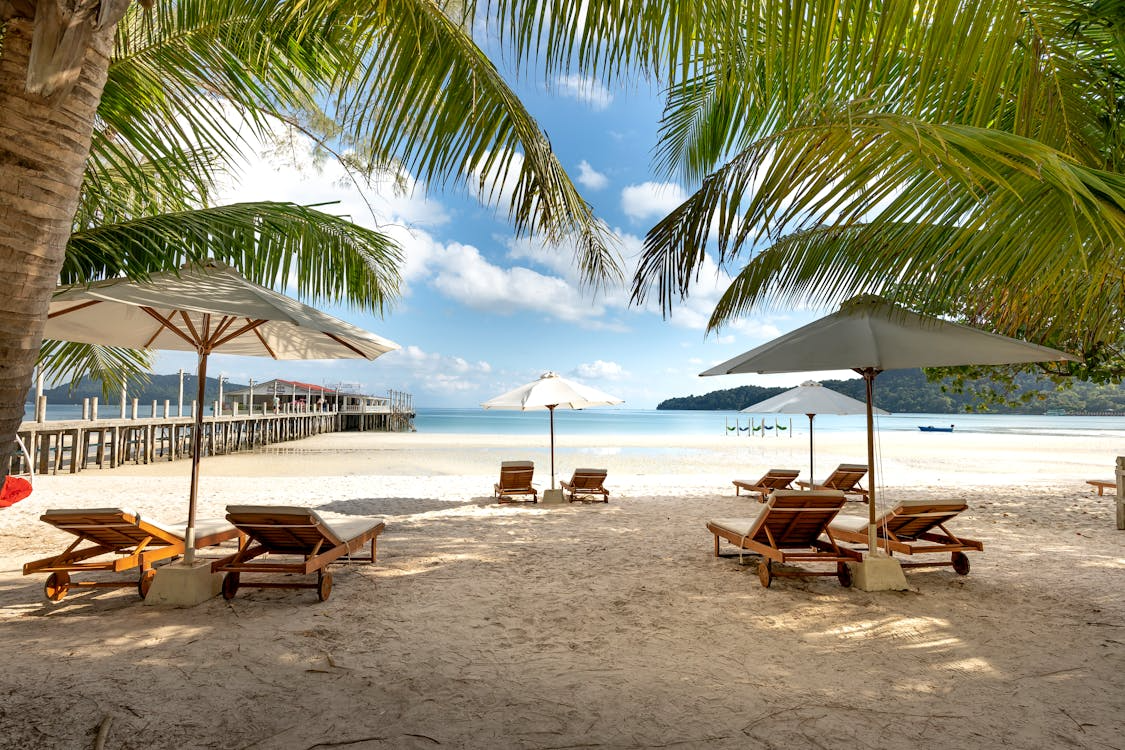
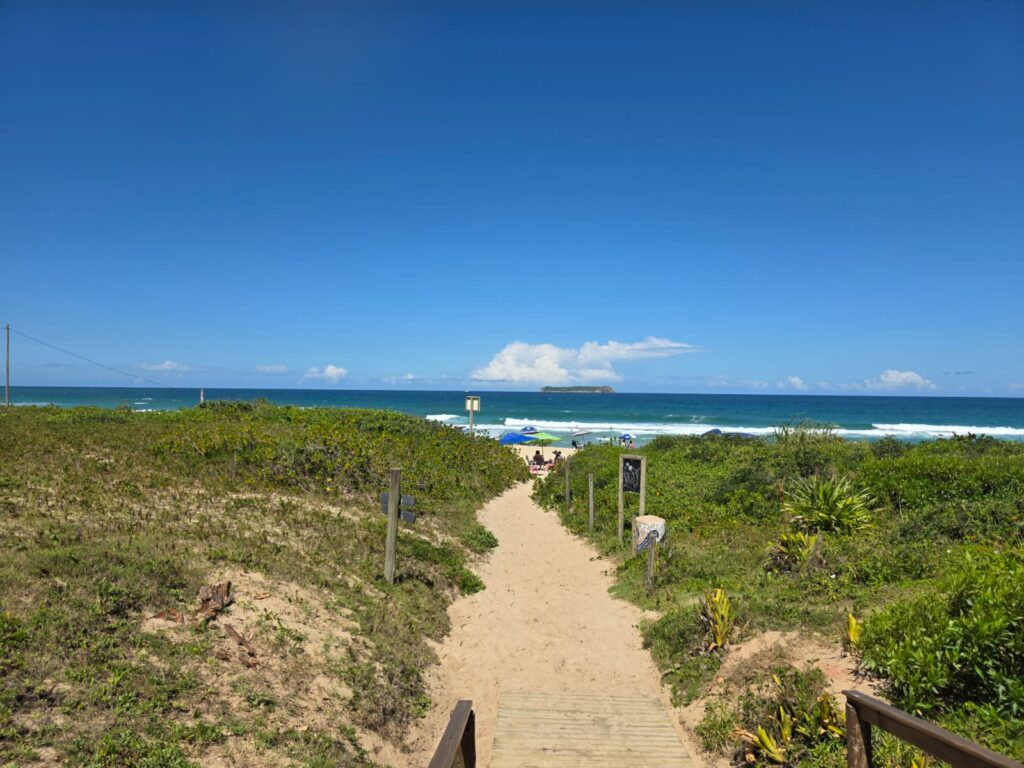
– One of thousands of beautiful beaches in Brazil –
If you are considering Brazil as a retiree, a FIRE Expat, a nomad, or just an adventurous period of life – I can personally assure you that living in Brazil for a period is a fantastic shortcut to a high quality of life filled with warmth, vibrance, and natural beauty. Plus, all this comes at a fraction of the cost of North America or Europe. But, there is always a catch…
Brazil is a continent disguised as a country. Holding the title of largest country in South America and fifth largest country in the world, Brazil is packed with pockets of opportunity, personality, and practical paradises tucked between all of the other places you’ve heard of, and with a few rules you need to know before jumping in.
Brazilians commonly say, “Brasil não é para amadores.” (“Brazil is not for amateurs.”). While there is some truth in this, I’d partially disagree and say – Brazil is for those who are open-minded, open-hearted, and come in with an intentional (but flexible) plan and awareness of their surroundings. If you do a little research, pick a place intentionally, and learn to practice the living hacks that Brazilians do, you’ll be rewarded with natural beauty and cultural warmth that always draws people back.
So, to make the experience a worthwhile adventure or permanent change in life, you need to pick the right location, prep before you go, and understand the essentials of Brazil to integrate and fully embrace the experience. This guide to moving to Brazil and making living in Brazil a great experience will help you do just that.

Brazil: The Quick Take
Moving to Brazil, and actually living in Brazil, not just vacationing, can be an absurdly good life upgrade… if you pick the right place, prep properly, and accept the tradeoffs upfront.
Brazil isn’t “a country experience.” It’s a patchwork of climates, cultures, safety realities, and daily-life friction that changes from city to city, and sometimes neighborhood to neighborhood. Rio and São Paulo are the starter magnets. But if you’re thinking long-term livability, don’t dismiss southern Brazil and the “second-cities” throughout the country. Places like Florianópolis, Curitiba, and Belo Horizonte can be safer, more livable, and cheaper than the cities most foreigners immediately think of when considering Brazil.
If you earn in USD/EUR (remote work, FIRE, retirement), Brazil can feel like a life hack: warmth, energy, nature, and social connection at a cost-to-quality ratio that’s hard to match anywhere else in the world. But a move to Brazil is not plug-and-play. As the price of admission, expect bureaucracy, import taxes that hike up the cost of goods from abroad, and a language barrier that will humble you.
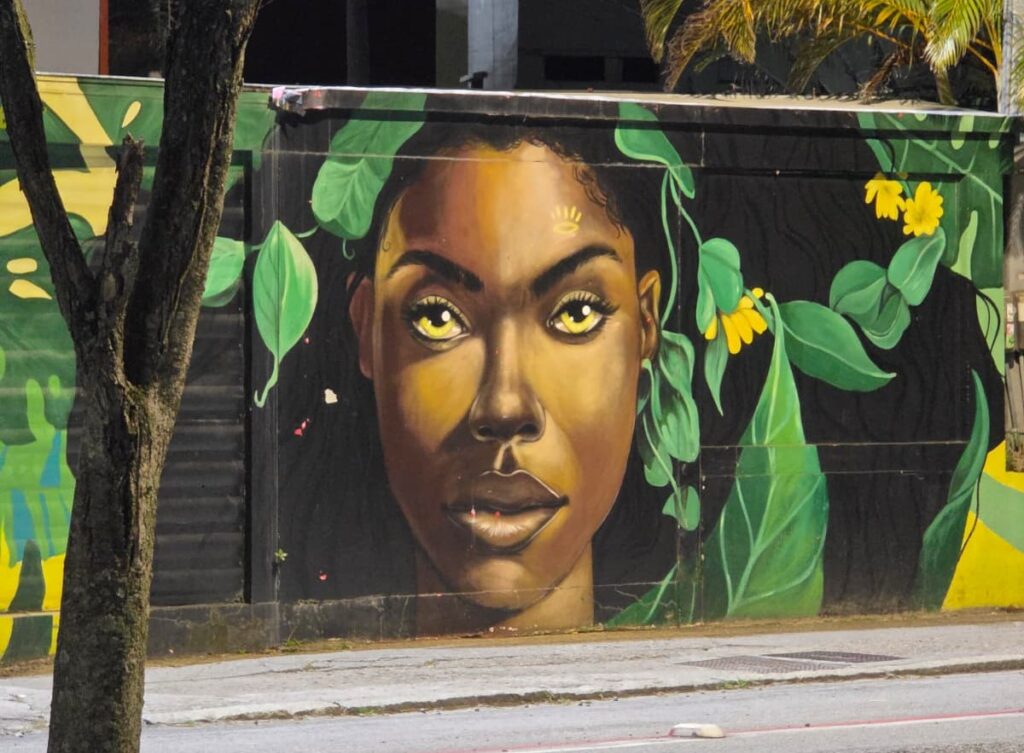
Why do people love Brazil?
Brazil delivers a kind of daily life that’s hard to describe until you’re inside it: outdoorsy, social, alive, and lovably resilient. Even with the real problems that exist, Brazilians still show up for each other and make the most of life.
Here’s what keeps pulling people in and keeping them in Brazil:
- Social warmth you feel immediately. Brazil is one of the few places where “community” isn’t a buzzword. It’s very much a lifestyle, whether it’s Carnaval or a random weekend on the beach. In a lot of cities, it takes almost no time before you’re pulled into a conversation, invited to someone’s house for a barbecue, or just pulled into a night out like an old friend of the pack.
- A lifestyle built around living, not optimizing. Beach time, music, dancing, “futebol”, beers in the city center, weekend hikes, and street markets are common aspects of existing in Brazil. Life is not hidden behind closed doors.
- Nature everywhere. Beaches, jungle, mountains, waterfalls, islands, and more. Brazil is an adventure menu. If you’re someone whose mood improves just by being outside, Brazil has wealth in store for you.
- Quality of life can be shockingly high for foreigners with portable income. If you’re financially independent or paid remotely, you can access the “good Brazil,” with better neighborhoods, better buildings, better healthcare, and better safety practices, and the whole experience changes. Keep in mind that this doesn’t fully apply in the upscale parts of São Paulo and Rio, as the finance and business scenes there attract wealth that pushes costs up. Everywhere else in Brazil, especially the second cities, delivers immense value per dollar.
- The “Brazil sweet spots” are real. The most underrated versions of Brazil are often not the most famous versions. Smaller cities and second cities hit the best balance of cost, safety, community, and day-to-day ease. While Sao Paulo and Rio can be too much for a single experience, Brazil hides lots of “just enough…and then some” options.
The tradeoffs (the real cons)
Brazil is absolutely incredible…but…just like the kind of romance some might expect to come out of Brazil, this enlivening, vibrant, and pleasure-filled experience also asks something from you in return…whether or not you want to give it. If you ignore the flip side realities, you’ll either burn out or spend your first year in survival mode.
- Safety is “pocketed” throughout Brazil, and the big cities, and it’s not optional to take it seriously. The right neighborhoods can feel comfortable. Even there, the wrong habits can get you targeted fast. Being too flashy. Walking in the wrong places at the wrong times. Not being aware of your surroundings. These and a few other simple habits to avoid can make or break the safety of your life in Brazil. You don’t need to be paranoid. But, you do need baseline “safety savviness”: awareness, clean routines, and not advertising valuables.
- Bureaucracy is real, and it moves on its own schedule. If you commit to living in Brazil, requiring a residency, bank account, and apartment lease, you will quickly learn that living in Brazil is much harder than visiting Brazil. Thus, that commitment, and the price of gray hair, wasted money, and submitting to the bureaucracy, isn’t a decision to take lightly. In Brazil, paperwork takes time. Offices close early. Processes stall for no apparent or discernible reason. Your biggest advantage is being clear about whether you want a part-time life in Brazil, or a full commitment, and then patience with the bureaucracy – and learning how locals navigate it.
- Import taxes can be brutal. Anything very specific – electronics, niche brands, specialty items – will likely cost a lot more than you’re used to, or require creative solutions. For big-ticket electronics, many expats rely on “mule-ing” from trips to the US rather than shipping/importing, or simply forgoing nice or new luxuries as much as in the US or Europe.
- Portuguese isn’t optional for long-term happiness. You can get by in tourist pockets and business centers for a while, but if you’re living in Brazil, renting, making friends, dealing with banks, doctors, and government offices, Portuguese becomes the difference between a rich life and an isolated one.
And Brazilian Portuguese is its own world (regional slang included), completely different than Portuguese in Portugal, so learning in Brazil matters. - Time and distance in Brazil make exploring all of Brazil feel like an Odyssey. Brazil is huge. Driving from popular destinations in the north to the south takes 50+ hours of driving, making traveling the full distance feel impossible. Travel across the country – and even leaving the country – often takes more time and energy than people expect. So, expect that once you’ve made the move to Brazil, you will either need to commit more time and money to traveling and traveling abroad, or you will likely be visited less by family and friends.
- If you become a tax resident, expect complexity. Tax planning in Brazil isn’t an area where you want to wing it and improvise. Brazil can be great, but tax planning and compliance are part of the “grown-up” version of living here.

Who Brazil is best for (and who should skip it)
Brazil is best for you if:
- You earn remotely, are FIRE, or are retired – in other words, you have portable income that lets you choose the good neighborhoods and pay more to reduce friction common in Brazil.
- You want a life with social energy, not quiet isolation.
- You’re outdoorsy and want daily access to beaches, nature, and sunshine.
- You’re willing to learn regional Brazilian Portuguese and accept a real integration curve. Many people repeat that two years is how long it takes to comfortably integrate.
- You can handle “imperfect systems” in daily life without spiraling, and you’re willing to adapt instead of trying to fight the country.
You should probably skip Brazil (or choose very carefully) if:
- You need an English-first environment and don’t want to learn the language.
- You’re highly risk-averse and want a “safety by default” country.
- You expect first-world convenience everywhere, with Amazon.com style access to everything you want, frictionless systems, and predictable timelines.
- You’re moving with a tight budget and very little buffer. Most foreigners’ positive experiences massively depend on arriving with the equivalent of “upper-middle-class local” resources.
- You want to live like a tourist forever. Brazil rewards people who commit and burns out those who don’t.
Notes from other expats & locals, and anecdotal observations repeated often
“Brasil não é para amadores.” (“Brazil is not for amateurs.”)
- “It’s like playing a new game on the hardest difficulty.”
- Long-stay expats repeatedly said: learn Portuguese if you want to be happy and truly integrated.
- “Two years to integrate” came up again and again, with language being a dealbreaker hurdle, and adaptation to cultural nuance, safety habits, and adapting to bureaucracy intuitively kicking in towards the end of two years.
- “Get a SIM card and CPF immediately.” Those two tools unlock a lot of daily-life systems.
- Pix (once set up) makes daily payments effortless, and people miss it when they leave. Also, this is the last local “toolkit” hack.
- Imported electronics: the cheapest route is often “bring it back from abroad” (aka mule-ing), not shipping it in.
- A Redditor captured something real: the wealth is the collectivism – people find joy and survive by connecting, even when systems are messy.
- From a Brazilian: “Brazil is an uncharted land, even for Brazilians… we forget how big this country is.”
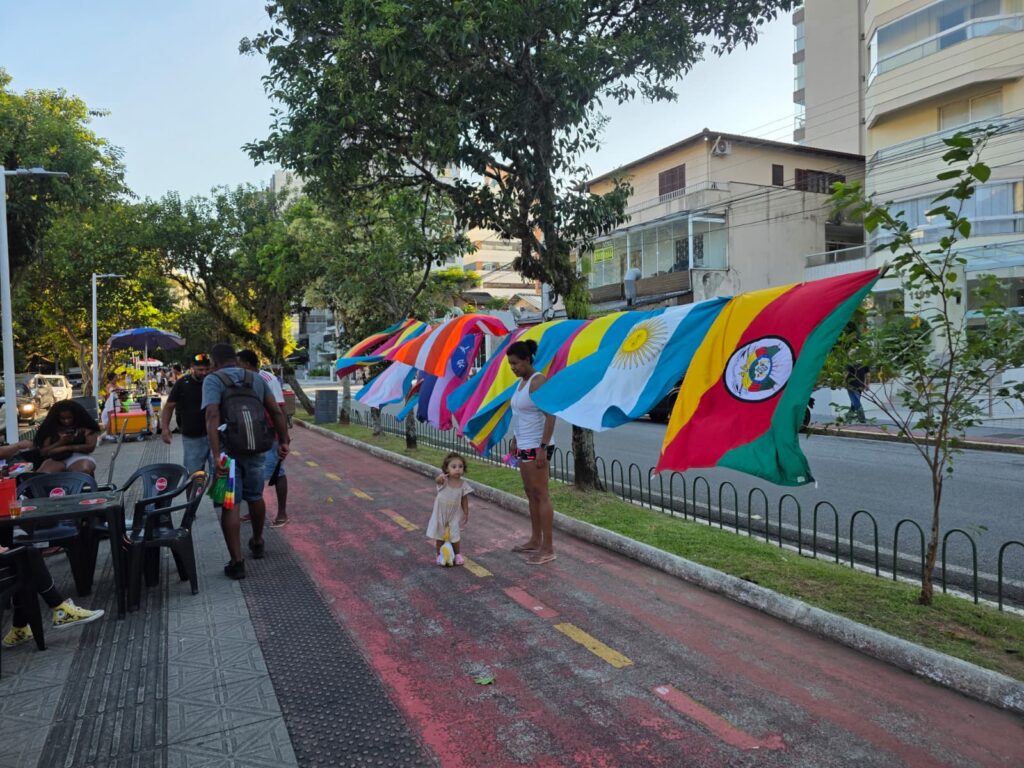
How to Design Your Move to Brazil: Start with your “non-negotiables.”
Safety feel, beach vs city, heat tolerance, pace, community, budget, and Portuguese tolerance should be the base factors for how you choose to move to Brazil.
Before you pick a city, pick the guidelines for the life you want in Brazil. Brazil rewards people who choose intentionally, and punishes people who arrive with a one-way ticket and a desire to stay long term, but with no plan to back it up.
Here’s the short list to lock in first:
- Safety feel and your personal threshold: As stated before, Brazil is “pocketed.” Some cities and neighborhoods feel comfortable and normal, and offer safety accordingly. Others don’t. Decide upfront: are you okay with some added vigilance as the price of admission, and receiving a lower cost life or a “quintessential Brazil” experience in return? Or do you need “safety by default”? If you need safety by default, you’ll narrow the list of suitable destinations in Brazil for you fast.
- Beach life vs city life vs parks & greenery: If your “daily happiness” comes from sunshine, water, walks, and outdoor routines, choose beach-first. If you need density, convenience, big-city infrastructure, and constant options, go city-first, but don’t pretend you can get both equally in the same place without tradeoffs.
- Heat tolerance: This sounds trivial until you’re living it. Brazil ranges from “pleasant and temperate” in the south, with even snow reported some winters, to “humid, hot, and relentless” throughout the year in the north. If heat drains you, that changes your region shortlist immediately.
- Pace and friction tolerance within bureaucracy: Do you want “tranquilo” or do you want “efficient”? Brazil can be an incredible life, but it’s not frictionless. Paperwork takes time, processes stall, and you’ll sometimes need patience and persistence more than logic. In the big city, where you’re just another forgettable face, bureaucracy will drag out longer. In a smaller town where you’ve smiled at everyone within a week, the charm of community will be the social grease that speeds things along (slightly). Know this when choosing.
- Community needs: Some people thrive in bigger cities because it’s easier to find “your people.” Others want smaller places where life is local, routines are simple, and community forms naturally – especially if you’re consistent and show up.
- Budget and your lifestyle mode: Your experience in Brazil varies massively depending on whether you arrive with “upper-middle-class local” resources or not. If you can afford better neighborhoods, better buildings, private healthcare, and a little convenience buffer, your Brazil gets safer and smoother. If you’re tight on budget, Brazil can feel hard fast, and the polish and passion that you hear expats speak of will die off soon as you live the life of (as harsh as this sounds) a poorer Brazilian local.
- Portuguese tolerance: This is non-negotiable for long-term happiness. You can survive in tourist pockets without Portuguese, but the costs will be higher, and the connection will be lower. You can’t build a real life, renting, banking, healthcare, bureaucracy, friendships, without learning Brazilian Portuguese.
If you do nothing else, decide: (1) safety threshold, (2) beach vs city, (3) climate tolerance, (4) budget mode, and narrow the list of places that fit accordingly.
The #1 mistake foreigners make: Choosing Brazil like it’s Mexico/Thailand with a “single-city” mental model
A lot of people approach Brazil like it’s a “default hub” country.
They want the one answer:
- “What’s the best city for expats?”
- “What’s the Chiang Mai of Brazil?”
- “Where’s the Playa del Carmen of Brazil?”
Brazil doesn’t work like that.
Brazil is too big, too varied, and too neighborhood-dependent, especially on safety and livability. There are patterns within each region, and stronger patterns within each city – but in general, very little of Brazil is “just like” anywhere else in Brazil.
The “best Brazil” isn’t one place. It’s a collection of pockets spread across a massive map, and your job is to choose the pocket that matches your non-negotiables.
The beauty of this is that Brazil offers one of the most varied menus of destinations anywhere in the world. The bad news is, you can’t just drop in and bounce around the same way you can in Mexico or Thailand, and expect a consistent feel, safety, and value throughout. The easy solution is you can simply be intentional about the pockets of Brazil you choose.
Here’s the best approach:
- Pick 2–3 candidate bases (one big city, one second city, one beach option).
- Test them in 30–90 day blocks before you commit.
- Use your real-life checklist: safety feel, daily routine, grocery reality, healthcare access, bureaucracy friction, community, and language experience.
- Then commit to the one that fits.

Brazil by region: South / Southeast / Northeast / North / Interior
Brazil is a continent disguised as a country. The “Brazil” you live in is determined by which slice you choose.
Here, we’ll lay out the menu of regions, then notable cities, in Brazil so that you can use your decided tolerance for safety, preferred backdrop & climate, and budget to find a city and neighborhood that fit.
South (Paraná, Santa Catarina, Rio Grande do Sul)
This is where Brazil starts surprising people who assumed it’s all tropical, chaotic, and hot.
- Climate: Cooler, more seasonal. In some places, winter actually feels like winter.
- Infrastructure: Often cleaner, more organized, and more “systems work” compared to the stereotype and common pace of Brazil.
- Safety feel: Generally safer-feeling in many pockets – but safety should still be assessed city-by-city and neighborhood-by-neighborhood.
- Culture: More reserved, sometimes more European in architecture and vibe.
- Examples for your shortlist: Curitiba (green, organized, strong transit), Florianópolis (beach lifestyle, safe with livability), Porto Alegre (southern culture, cooler temperatures, and “Gaucho” feel).
If you want Brazil with more calm and structure, the South is usually where you start looking first.
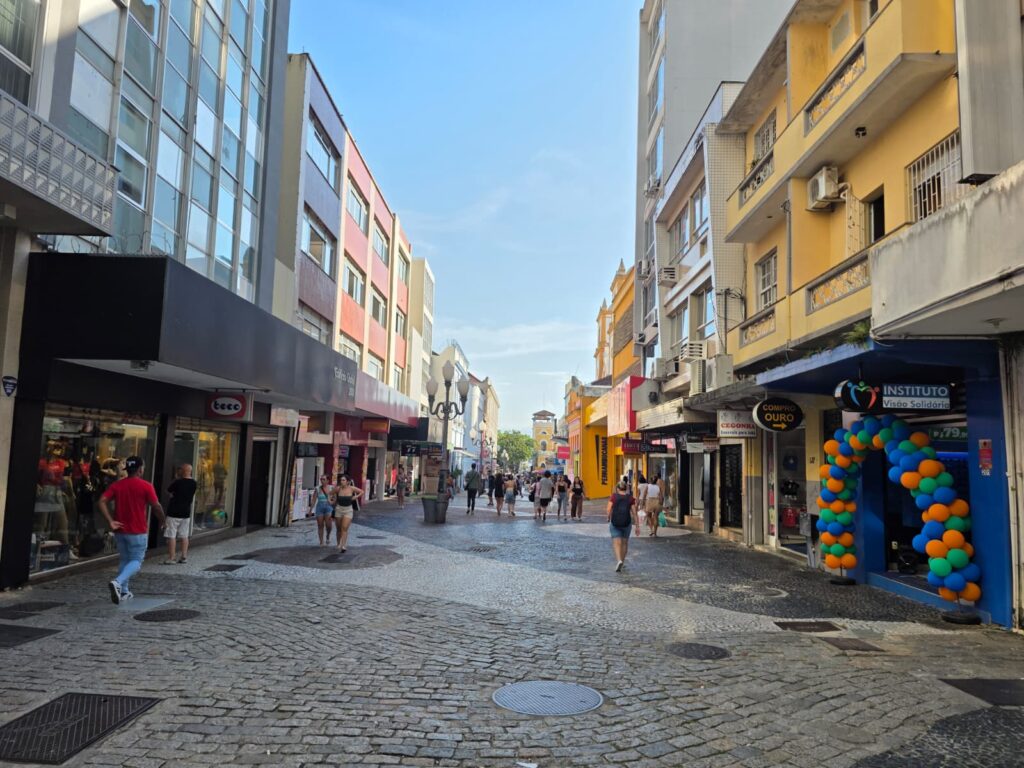
Southeast (São Paulo, Rio, Minas Gerais, Espírito Santo)
This is “big Brazil,” the magnets, the megacities, the business core, the place most foreigners picture.
- Climate: Varies, but generally warm; coastal humidity is real.
- Infrastructure: Strongest concentration of “big city” convenience, especially in São Paulo.
- Safety feel: Higher variance. The right neighborhoods feel fine; the wrong routines and locations get risky very quickly.
- Culture: Fast pace, dense energy, huge range of lifestyles.
- Examples of cities: São Paulo and Rio as the jump-starts; Belo Horizonte as a more livable, friendlier-feeling city with a strong food culture.
Southeast is where you go when you want scale, access, flights, and “everything exists.” It’s also where you pay more, financially and mentally, if you choose poorly.
Northeast (Salvador, Recife, Fortaleza, Natal, etc.)
This is a different Brazil, warm, coastal, culturally heavy, and for many people, emotionally unforgettable.
- Climate: Hotter, sunnier, beach-forward.
- Infrastructure: More uneven. Some areas feel modern; others feel worn or inconsistent.
- Safety feel: Can be higher-friction and riskier depending on the city and neighborhood. It is essential to do your homework first and ask several locals on the ground here.
- Culture: Massive African influence, music and rhythm in the air, and deeper “Brazilian soul” energy.
- Examples of cities: Salvador is the cultural heart; Recife is beautiful and lively but with higher crime; Natal is a laid-back coast with an Argentine expat presence; Pipa is a growing digital nomad hub with notably low cost of living
If you’re chasing culture and coast and you don’t need everything to be “efficient,” the Northeast can feel like the most Brasil Brazil.
North (Amazon rainforest + frontier Brazil)
This is not the Brazil most expats move to first, but it still matters because it changes how you think about the country.
- Climate: Hot, humid, heavy tropical reality.
- Infrastructure: More limited in many places; distance is real.
- Safety feel: Highly variable; often less expat-friendly infrastructure and guardrails.
- Culture: Powerful, distinct, and not built around tourism in the same way as the South.
For most foreigners, the North is something you explore, not something you choose as your first base, unless you have a specific reason.
Interior (Brasília, Campinas, and “real Brazil” away from the coast)
The interior is where Brazil becomes more practical for long-term living and less of a postcard, vacation-only life.
- Climate: Varies by state, often warmer and drier than the coast.
- Infrastructure: Can be surprisingly solid in capital/admin cities and major interior hubs.
- Safety feel: Often calmer and safer than the central coast mega-centers, but city-specific.
- Culture: More local, less expat-oriented, easier to fall into routines, and harder to “tourist your way through life.”
- Examples: Brasília (planned, modern, universities; practical for working in Brazil), Campinas (near São Paulo, more relaxed pace).
Interior Brazil is for people who want a normal life, not a constant show.
Where to live in Brazil: The Best cities in Brazil for expats
While Sao Paulo and Rio great places to vacation or start your time in the country, the complexity of Brazil’s size, acknowledged safety issues, and diversity make choosing an alternate starter point difficult. While you can’t fully experience Brazil without visiting Rio, Sao Paulo, and the cultural heart of Salvador in the north, you can approach your move to Brazil strategically, understanding that southern Brazil offers many overlooked, cheaper, safer, smaller, slower, and more livable alternatives, and knowing that Brazil has a cluster of amazing second cities for expats. Each one has its own personality, and there is likely a place to suit you.
|
City |
Best for |
Safety feel |
Starting neighborhoods |
|---|---|---|---|
|
Florianópolis |
Beach lifestyle + “good Brazil” livability; growing expats |
Safer-feeling (Brazil standards) |
Lagoa da Conceição • Campeche • Jurerê Internacional |
|
Curitiba |
Green, organized, transit + parks; quieter city living |
Safer-feeling (many pockets) |
Batel • Água Verde • Bigorrilho (Champagnat) |
|
Porto Alegre |
Cooler southern vibe; Gaucho culture; Argentina-adjacent feel |
Mixed (pocketed) |
Moinhos de Vento • Bela Vista • Cidade Baixa |
|
Brasília |
Planned capital, universities, working in Brazil |
Variable (often orderly pockets) |
Asa Sul • Asa Norte • Lago Sul |
|
São Paulo |
Biggest expat ecosystem + jobs + “everything exists” |
Variable (pocketed) |
Pinheiros • Itaim Bibi • Jardins |
|
Rio de Janeiro |
Iconic beaches + culture + social energy |
Higher-friction (pocketed) |
Ipanema • Leblon • Botafogo |
|
Belo Horizonte |
Friendlier-feeling city + best food scene; everyday livability |
Generally calmer-feeling (pocketed) |
Savassi • Lourdes • Funcionários |
|
Salvador |
Cultural heart (Afro-Brazilian influence); history + coast |
Variable (do neighborhood homework) |
Barra • Rio Vermelho • Graça |
|
Campinas |
São Paulo access, lower cost, more relaxed pace |
Generally calmer than mega-centers |
Cambuí • Taquaral • Barão Geraldo |
|
Recife |
“Brazilian Venice” waterways + culture; but more crime friction |
Higher-friction (per notes) |
Boa Viagem • Pina • Graças |
|
Fortaleza |
Northeast beach city (still developing notes) |
Variable / TBD |
Meireles • Aldeota • Praia de Iracema |
|
Vitória |
Smaller coastal capital feels (still developing notes) |
Variable / TBD |
Praia do Canto • Jardim da Penha • Enseada do Suá |
|
Natal |
Laid-back NE coast; regional expat presence |
Variable |
Ponta Negra • Tirol • Petrópolis |
|
Pipa (near Natal) |
Small beach town + emerging nomad hub |
Smaller-town feel (still use Brazil rules) |
Centro da Pipa • Praia do Amor area • Tibau do Sul |
Notes on Average Cost of Living in the Following City Overviews: Averages among long-stay expats, living as locals
The cost-of-living ranges by city listed below are reported averages for expats in a long-term situation (long lease, integrated, speaking Portuguese, likely not in expat bubbles), which, when integrating, reduce costs over time. Your initial costs will likely be higher due to the initial friction of moving, staying in furnished short-term accommodation, staying in “upper-class” and safer neighborhoods as opposed to the average, etc. In planning, account for your initial expenses to naturally be higher than these, and reduce as you integrate – but remain slightly higher if you decide to stay in higher-class neighborhoods, safer and self-contained neighborhoods, or expat bubbles.
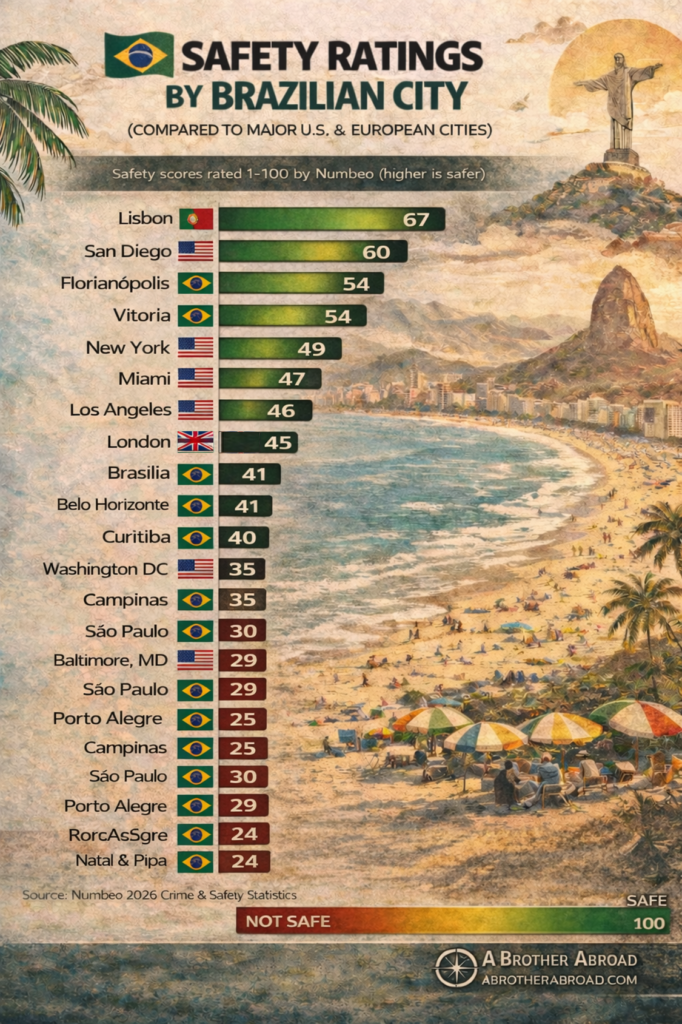
Notes on Safety Rating in the Following City Reviews: Courtesy of Numbeo Crime Index
To present an objective view of each city, a safety rating based on Numbeo Crime Index data is presented below. To make the 1 to 10 rating of each Brazilian city easier to understand, the following major cities around the world and their ratings are great benchmarks for comparison.
Safety ratings for cities around the world
- Lisbon: 6.7/10
- San Diego: 6/10
- New York: 4.9/10
- Miami: 4.7/10
- Los Angeles: 4.6/10
- London: 4.5/10
- Washington DC: 4.0/10
- Baltimore, MD: 2.9/10
- Chicago: 3.5/10
Florianópolis (Floripa)
Floripa is the “good Brazil” pitch in one place: a beachy island lifestyle that still feels modern, livable, and surprisingly high-quality. Travelers call it the “Miami of Brazil,” but it’s really a patchwork of micro-neighborhoods. Some pockets feel Bali-ish, some feel upscale coastal, and some feel like a polished Brazilian beach city that quietly works. It’s increasingly popular with expats for a reason: you get 60+ Atlantic beaches, real outdoor life, and a quality-of-life curve that’s hard to match, if you’re willing to integrate. Beauty, safety, beaches, and better access to modern amenities than you’d expect.
- Neighborhoods: Lagoa da Conceição • Campeche • Jurerê Internacional
- Cost of living: $$ (great value in local mode; “import-heavy” spending changes the math)
- Safety: Safer-feeling (Brazil standards), still pocketed—choose neighborhoods intentionally
- Safety Rating: 5.4/10
- Single Cost of Living: $1,600 – $2,400
- Couple/Family Cost of Living: $3,500 – $4,750
Curitiba
Curitiba is the “green, organized Brazil” option. It’s often described as one of the most practical big cities in the country: parks everywhere, solid public transportation, cleaner roads, and a calmer daily rhythm than the mega-centers. The appeal is simple: you get real city amenities and entertainment without feeling like you’re constantly negotiating chaos. If you want Brazil with more structure, without giving up restaurants, nightlife, and walkable routines, Curitiba belongs on your shortlist.
- Neighborhoods: Batel • Água Verde • Bigorrilho (Champagnat)
- Cost of living: $$ (often better value than the megacity lifestyle)
- Safety: Safer-feeling in many pockets; still, Brazil rules
- Safety Rating: 4/10
- Single Cost of Living: $1,300 – $1,950
- Couple/Family Cost of Living: $3,300 – $4,950
Porto Alegre
Porto Alegre is in southern Brazil with a cooler climate and an “Argentina-adjacent” feel, with more European architecture, a different rhythm, and a strong regional identity tied to Gaucho culture. It’s less touristy, more lived-in. If Rio feels like sensory overload and Floripa feels beach-first, Porto Alegre is “real city, real routines,” with southern character and a vibe that can feel familiar to people who like cities in Argentina.
- Neighborhoods: Moinhos de Vento • Bela Vista • Cidade Baixa
- Cost of living: $$ (generally more affordable than Rio/SP in comparable comfort)
- Safety: Mixed and pocketed—do neighborhood homework and keep routines clean
- Safety Rating: 3/10
- Single Cost of Living: $1,100 – $1,650
- Couple/Family Cost of Living: $3,100 – $4,650
Brasília
Brasília is the outlier on this list, and that’s exactly why it works for some people. It’s Brazil’s planned, modern capital: wide avenues, purposeful design, and a different kind of “order” than most Brazilian cities. If you’re considering working in Brazil, being near government institutions, or plugging into top university ecosystems, Brasília is practical. It’s less “vacation Brazil,” more “functional Brazil.”
- Neighborhoods: Asa Sul • Asa Norte • Lago Sul
- Cost of living: $$–$$$ (depends heavily on location + car dependence)
- Safety: Variable; often orderly-feeling in the right pockets
- Safety Rating: 4.1/10
- Single Cost of Living: $1,600 – $2,400
- Couple/Family Cost of Living: $3,300 – $4,950
São Paulo
São Paulo is the engine of Brazil: business, finance, industry, opportunity, and convenience at full volume, speed, and intensity. It’s Brazil’s largest city, wildly varied, and one of the best places to land if you want the broadest expat ecosystem, the most “things work” infrastructure (by Brazilian standards), and the most realistic job prospects for foreigners. São Paulo isn’t the easiest Brazil, but it is the most opportunity-rich Brazil. Additionally, Sao Paulo has the highest concentration of international schools and the most expats of any city in Brazil
- Neighborhoods: Pinheiros • Itaim Bibi • Jardins
- Cost of living: $$$ (the “good pockets” cost real money)
- Safety: Variable and pocketed; good neighborhoods feel normal, sloppy safety habits will put you in risky situations very quickly
- Safety Rating: 3/10
- Single Cost of Living: $1,600 – $2,400
- Couple/Family: $4,100 – $6,150
Rio de Janeiro
Rio is the Brazil that most foreigners picture, and for good reason. Copacabana and Ipanema, mountains dropping into the sea, music, art, nightlife, and that iconic outdoor lifestyle that makes a random Tuesday feel like a movie scene. Rio is also higher-friction and higher risk: it rewards people who respect it, choose neighborhoods carefully, and build smart routines. If you want the iconic lifestyle and you can handle the tradeoffs, Rio is unmatched.
- Neighborhoods: Ipanema • Leblon • Botafogo
- Cost of living: $$$ (especially where you’ll actually want to live)
- Safety: Higher-friction and pocketed; not paranoia—discipline
- Safety Rating: 2.5/10
- Single Cost of Living: $1,400 – $2,100
- Couple/Family Cost of Living: $3,300 – $4,950
Belo Horizonte
BH is a stealth pick: modern urban living mixed with authentic Brazilian warmth, often described as one of the friendliest-feeling large cities in the country. It’s also a food capital. Many people swear it has the best Brazilian cuisine and restaurant culture. The upside here is everyday livability: it’s a real city, but often calmer and more approachable than Rio or São Paulo if you’re looking for a long-term base.
- Neighborhoods: Savassi • Lourdes • Funcionários
- Cost of living: $$ (strong value in local mode)
- Safety: Generally calmer-feeling than the mega-centers (still pocketed)
- Safety Rating: 4.1/10
- Single Cost of Living: $1,200 – $1,800
- Couple/Family Cost of Living: $3,100 – $4,600
Salvador
Salvador is the cultural heart. The original capital of Brazil, deeply influenced by Afro-Brazilian culture, is one of the most visually and emotionally powerful cities in the country. If you’re moving to Brazil for history, rhythm, and soul, not just beaches and bargains, Salvador belongs on your shortlist. It can be unforgettable, but it’s not “set it and forget it”: neighborhood choice matters, and you need to be intentional and aware of how you live all day, every day.
- Neighborhoods: Barra • Rio Vermelho • Graça
- Cost of living: $$ (often cheaper than Rio/SP in day-to-day reality)
- Safety: Variable and neighborhood-dependent—plan intentionally
- Safety Rating: 2.4/10
- Single Cost of Living: $1,100 – $1,750
- Couple/Family Cost of Living: $3,000 – $4,500
Campinas
Campinas is the practical move: close enough to São Paulo for access, but with a more relaxed pace and often lower daily costs. It’s a classic “base city” for people who want stability and routine without living inside the São Paulo machine. If you’re building a normal life (and don’t need a constant tourist/expat buzz), Campinas can make a lot of sense.
- Neighborhoods: Cambuí • Taquaral • Barão Geraldo
- Cost of living: $$ (typically lower than São Paulo)
- Safety: Generally calmer than the mega-centers; still neighborhood-dependent
- Safety Rating: 3.5/10
- Single Cost of Living: $1,200 – $1,800
- Couple/Family Cost of Living: $3,200 – $4,800
Recife
Recife has real character: rivers, bridges, islands, hence the “Brazilian Venice” nickname, plus festivals, nightlife, stadiums, opera, and universities. It’s one of the stronger Northeast “big city + coastal” options if you want energy and culture. The tradeoff is higher day-to-day safety friction compared to your “Brazil but easier” cities, so you need a tighter neighborhood plan.
- Neighborhoods: Boa Viagem • Pina • Graças
- Cost of living: $$
- Safety: Higher-friction (per your notes); neighborhood choice matters a lot
- Single $1,200 – $1,800
- Couple/Family: $2,900 – $4,400
Fortaleza
Fortaleza is a major Northeast coastal city with big beach energy and a serious urban footprint. It can be a great fit if you want heat, ocean, and a vibrant local scene, but it’s also a city where the experience and safety vary sharply by neighborhood and routine. This is one you need to treat as “high potential, but do your homework” until you’ve gathered more on-the-ground intel on fit for you.
- Neighborhoods: Meireles • Aldeota • Praia de Iracema
- Cost of living: $$
- Safety: Variable/pocketed; keep the recommendation conservative until you’ve got stronger notes
- Single Cost of Living: $1,100 – $1,650
- Couple/Family Cost of Living: $2,800 – $4,200
Vitória
Vitória is the quieter coastal-capital angle: more practical, less headline-chasing. If you want coastal Brazil without megacity intensity and you don’t need an expat-heavy ecosystem, Vitória can work as a calmer base. Like Fortaleza, it’s worth listing as an option, but keep claims conservative until your notes get deeper.
- Neighborhoods: Praia do Canto • Jardim da Penha • Enseada do Suá
- Cost of living: $$
- Safety: Variable/pocketed; needs more neighborhood-level detail in your draft
- Single Cost of Living: $1,100 – $1,650
- Couple/Family Cost of Living: $2,500 – $3,100
Natal
Natal is laid-back Northeast coastal living, sun, water, and a slower pace. There is a meaningful Argentine expat presence in the broader region, and Natal can make sense as a lifestyle base if you’re prioritizing beach routines over big-city convenience. Natal is not the “career city” pick, but it can be a strong quality-of-life choice for those with a “portable life.”
- Neighborhoods: Ponta Negra • Tirol • Petrópolis
- Cost of living: $$
- Safety: Variable; choose neighborhoods intentionally
- Single Cost of Living: $1000 – $1,500
- Couple/Family Cost of Living: $2,200 – $3,300
Pipa Beach (near Natal)
Pipa is the small-town beach play: part surf town, part party town, and increasingly an emerging nomad hub. If your idea of “moving abroad” is building a routine around the ocean, walks, beach days, café life, and an easy social scene, Pipa can be exactly right. If you need big-city convenience, it’ll feel small quickly. Pipa has most recently been described as “Canggu, Bali in Brazil,” so take that for what it’s worth.
- Neighborhoods: Centro da Pipa • Praia do Amor area • Tibau do Sul.
- Cost of living: $$ (can creep up in peak seasons and foreigner-heavy pockets)
- Safety: Smaller-town feel, but still Brazil rules, so keep good safety habits and routines
- Single Cost of Living: $1000 – $1,500
- Couple/Family Cost of Living: $2,200 – $3,300
Safety in Brazil: Essential things to know
Brazil’s safety situation is real, and it’s also easy to misunderstand. The mistake most foreigners make is swinging between two lazy extremes:
- “Brazil is fine, people are just dramatic.”
- “Brazil is too dangerous to live in.”
Both takes are wrong, because they treat Brazil like it’s one place, with one rhythm, one pattern, and one level of risk.
The correct mental model is this: safety in Brazil is pocketed. It varies by region, by city, by neighborhood, and even by the time of day and the routine you keep. If you overlook the downside, you’re being naive. If you write off the entire country, you’re being imprecise and losing out on a wonderful opportunity.
Macro vs micro: How to think about safety in Brazil without spiraling
Here’s the framing that makes it click:
Brazil is roughly the size of the United States. Refusing to live in Brazil because of safety is a bit like refusing to live in San Diego, New York, or Washington, D.C. because Baltimore and Chicago have high crime rates.
You might be correct about the macro stats, but you’d still be missing the reality: a massive country can have both dangerous areas and pockets of peaceful, normal life. That’s Brazil.
So assess the safety of your potential choice cities in Brazil at two levels:
- Macro level (countrywide reality): Brazil has meaningful petty crime and higher violent crime rates than many countries foreigners compare it to. You don’t get to ignore that. And, you need to learn more about this and plan around this.
- Micro level (your actual life): Where will you live? Where will you walk? How will you commute? Which neighborhoods are “normal” at night and which ones aren’t? Your safety outcome ultimately depends more on your micro decisions and routines than on any headline statistic.
The goal isn’t to become paranoid. The goal is to know your surroundings, know your home city, and become pattern-aware.
What the risks actually look like in Brazil
Most expats in Brazil don’t spend their days dodging movie-scene level violence. What they deal with is “targeting”, being identified as an easy opportunity in a specific moment at a specific place, then being targeted for crime after that.
- Petty theft is common in busy areas: pickpocketing, bag snatching, and phone theft.
This is especially true in touristy zones, crowded transit corridors, big events, and business districts. - Robbery risk exists. Sometimes it is opportunistic, sometimes more coordinated; it generally happens very fast. Brazil has had high-profile issues like group thefts/swarm incidents in certain beach and tunnel corridors, especially on Rio beaches and in the hills around Rio. You don’t need to obsess over this, but you should know the pattern: crowded movement funnels + distracted tourists = opportunity. Also, read the articles, and you’ll see these events generally happen in the same places, executed by similar groups of people repeatedly.
- Violent crime exists and can’t be hand-waved away.
The key is that risk isn’t evenly distributed. Some cities and neighborhoods are dramatically more “livable-feeling” than others. Below, I’ll list indexed crime statistics that emphasize that crime does happen, and it happens more often in specific places -by knowing those places, you can avoid the higher risk of crime and enjoy a happier, likely more peaceful life. - Corruption is a background feature.
For most expats, this shows up less as “daily danger” and more as friction: inconsistent enforcement, paperwork weirdness, occasional shakedown-y situations, the eventual bribe or payment to keep the process moving, and a general need to do things properly and keep documentation clean. It’s not usually the defining factor of daily life, but it’s part of the operating environment, and something to be aware of before committing. I’ll admit, I’ve been trapped in several situations in Latin America and Asia wherein a bribe was the price of a safe exit – and thinking about that in advance, or being aware of the possibility of it being required, is an essential bit of planning info. - LGBTQ+ safety is also pocketed.
Brazil contains both vibrant, accepting communities and pockets of intolerance. Some cities are known for strong LGBTQ+ scenes, but acceptance and safety can still vary by neighborhood, venue, and region. Treat it the same way you treat general safety: micro-level awareness beats broad assumptions.
The “how to think” framework: pattern recognition, not paranoia
If you want one simple mindset shift, it’s this:
Your job isn’t to eliminate risk. Your job is to stop advertising yourself as the easiest target in the room and exit any sketchy situations as quickly and safely as possible.
You do that by building routines that locals already use:
- You move with purpose.
- You minimize visible valuables.
- You choose neighborhoods that match your risk tolerance.
- You use transport strategies that reduce exposure.
Again, Brazil rewards people who respect it.
Additional savvy safety tips
1) Ask locals how they move your new city and what they avoid
When you arrive, ask a local friend, host, doorman, or café owner:
- Which streets are fine at night, and which ones aren’t?
- What’s the normal way people get home after dinner?
- What areas do locals avoid on weekends / late nights?
Locals have the map; you just need to listen.
2) Use rideshare between destinations — especially at night
In most major Brazilian cities, rideshare is a core safety tool. Use it to reduce “in-between exposure,” especially:
- After dark
- After drinking
- When leaving busy/tourist zones
- When you’re unfamiliar with the area
3) Practice phone discipline (Brazil is not the place to scroll on the street)
The single biggest “foreigner tell” is walking while texting with a $1,000 phone held out in front of your face.
Rules that work:
- Step inside a shop or against a wall before pulling your phone out
- Don’t use your phone near curb edges or open traffic lanes (snatch risk)
- If you need directions, check quickly, then move
4) Don’t carry unnecessary valuables
If you don’t need it, don’t bring it:
- Expensive watch
- Fancy jewelry
- Backup credit cards
- Passport (carry a copy unless you specifically need it)
You’re not trying to hide. You’re trying to avoid unnecessary exposure.
5) Consider a “burner” phone for big-city days
For certain situations, big cities, nightlife, tourist zones, some expats carry a cheap phone they can surrender without losing their life admin.
It’s not about living in fear. It’s about removing the worst-case scenario.
6) Don’t over-engineer your bag security
Here’s the counterintuitive truth: a zipped, clipped, “anti-theft” bag might stop a pickpocket, and still make you a more attractive robbery target because it signals you’re carrying something worth protecting. The better approach is just to leave it at home and carry the minimums.
The goal is not to look fortified. The goal is to look boring.
7) If it happens, end it fast
If you’re approached and someone wants your phone or wallet:
- Give it up immediately
- Don’t argue, don’t negotiate, don’t escalate
- Move quickly to a well-lit, populated area afterward
You can replace things. The objective is to end the interaction safely and quickly.
8) Emergency number
In Brazil, dial 190 for emergency police assistance.
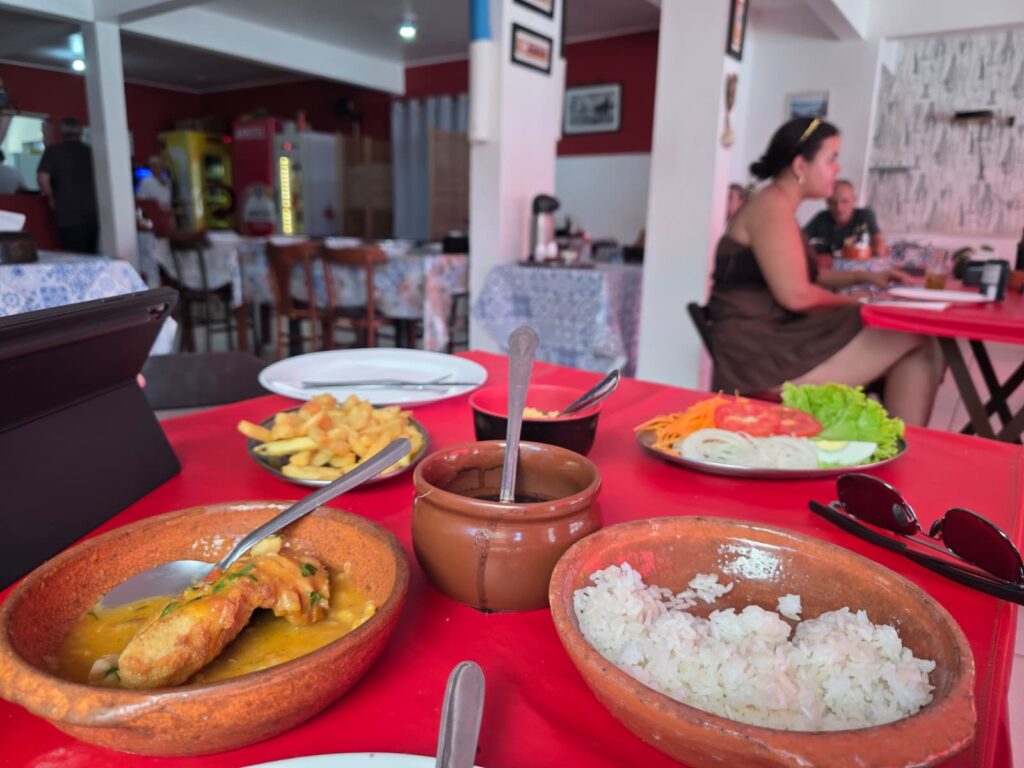
Cost of living in Brazil
Brazil is cheaper than most Western countries in the northern hemisphere, and in practice, it’s also generally cheaper than Chile and Argentina. In a lot of categories, it lands closer to Colombia in price, and it’s cheaper than virtually all of Central America.
But here’s the catch that most “cost of living” articles miss:
Brazil is cheap when you live like a local. It gets expensive fast when you try to recreate your home-country life. Buying a new iPhone every year, eating very specific imported brands every day, and sticking to your consumption patterns at home will push your costs much higher than this guide and others estimate for a life in Brazil.
So the useful question isn’t “Is Brazil cheap?”
It’s: Which Brazil are you going to live in? Local mode, or imported-expat mode?
The cost drivers foreigners misjudge
1) Imports and “home-country lifestyle mimicry.”
Buying the same brands, electronics, specialty items, and niche products you buy back home—especially imported goods—can dramatically increase your monthly spend. Brazil is a country where “simple local” is often cheap, and “specialized imported” gets painful.
2) Private healthcare
You can absolutely have high-quality healthcare in Brazil, but most expats don’t move here to rely on chance. They either pay out-of-pocket, buy private plans, or maintain some kind of global coverage. That adds a predictable monthly cost that most tourist-style budget posts ignore.
3) Flights and travel distance
Brazil is huge. Internal flights add up. And leaving Brazil for international trips can be more expensive and time-consuming than people expect.
4) Condo fees and building “quality-of-life premiums.”
In the neighborhoods foreigners actually want, you’ll often pay not just rent, but also the hidden costs of buildings: doormen, security, amenities, maintenance, and the general “this is a modern building in a good pocket” premium.
5) Safety convenience costs
This is the one people don’t like to admit. If you use rideshare more, avoid certain transit, choose better neighborhoods, and pay for better buildings—your safety and comfort go up, and so does your budget. That’s not fear; it’s reality.
Three real monthly budgets (Lean / Comfortable / High-comfort)
These aren’t “backpacker Brazil” budgets. These are long-stay, living-in-Brazil budgets, assuming you’re renting and building a routine.
1) Lean budget (local mode, smart choices)
Best for: solo expats, FIRE types, long-stay travelers who are flexible
Assumes: modest apartment in a decent pocket (not the hottest neighborhoods), local groceries, buses + selective rideshares, fewer imported items.
- Housing: simple but clean, good-enough neighborhood
- Groceries: mostly local
- Transit: bus/metro + occasional rideshare
- Lifestyle: cafés, casual meals, local outings—no “expat shopping list” lifestyle
This is where Brazil shines if you’re intentional and don’t chase imported convenience.
2) Comfortable budget (the “expat sweet spot”)
Best for: most readers who want a great life without constantly optimizing
Assumes: a good neighborhood, a modern building, private healthcare, frequent rideshare, eating out regularly, and some imported purchases, but not everything.
- Housing: good pocket, modern building
- Healthcare: private coverage or consistent private spend
- Transit: rideshare between locations when it’s the smart move
- Lifestyle: regular dining out, gyms/classes, weekend trips
This is the budget tier where a lot of foreigners say, “This feels like a life upgrade.”
3) High-comfort budget (premium pockets + imported habits)
Best for: high earners, families, people who want “home-country convenience.”
Assumes: prime neighborhoods, nicer buildings, more taxis/ubers, frequent delivery, imported groceries and brands, international travel.
- Housing: top pockets and high-demand buildings
- Lifestyle: restaurants, delivery, premium gyms, premium everything
- Consumption: more imported goods, specialty products, electronics
This is the version of Brazil where Rio and São Paulo can stop feeling “cheap”—because you’re paying to live in the smoothest, most insulated version of the country.
City cost tiers (how the price tag shifts by location)
Here’s the simple, useful way to think about it—tied to the cities you’re already covering.
Higher-cost cities ($$$): You pay for access and premium pockets ($1,600 to $2,400 per month for a single expat)
- São Paulo: biggest city, biggest convenience, biggest premium neighborhoods
- Rio de Janeiro: iconic lifestyle + high demand in the few neighborhoods most foreigners want
These can still be cheaper than New York/London/major North American cities, but they’re not “shockingly cheap” if you live in prime pockets and shop imported.
Mid-cost cities ($$): Where Brazil feels like a value hack ($1,000 to $2,000 per month for a single expat)
- Florianópolis: beach + livability + modern pockets without megacity pricing
- Curitiba: organized, green, practical
- Belo Horizonte: strong daily livability + food culture
- Porto Alegre: southern vibe, often better value than megacity life
- Campinas: São Paulo access without São Paulo costs
- Salvador / Recife / Natal / Pipa: coastal lifestyle, but neighborhood and seasonality matter
In this tier, Brazil often delivers its best “cost-to-quality” ratio—especially if you live like a local.
The caveat that matters: Brazil is affordable…until you try to live like you never left home
Here’s the truth that belongs in a high-quality Brazil guide:
Brazil rewards people who adapt.
If you live like a local, move like a local, and buy like a local—with a few intentional upgrades for comfort and safety—you can build a high quality of life at a cost that’s dramatically lower than the U.S., Canada, and most of Europe.
If you try to recreate your exact home-country life—same brands, same shopping habits, constant imported goods, premium neighborhoods only—Brazil gets expensive. Rio and São Paulo can especially surprise you.
So your cost of living in Brazil isn’t one number. It’s a choice:
local mode, or imported-expat mode.
Visa Requirements and Residence Permit Options in Brazil: Plan wisely before falling in love
Brazil is not the kind of place where you “figure it out on arrival” and expect it to stay simple. You can arrive as a visitor and test-drive the country, but that generally tops out at 90 days. Additionally US Citizens will need to apply for an e-Visa in advance and pay the necessary fee. However, if you already know you want to base here (or work remotely from here), planning the right status and choosing the appropriate Brazilian visa for your situation, plan, and work setup up front will save you months of friction, increase your options, and make for a more stress-free experience.
Also: this isn’t legal advice. Brazil’s rules are real rules, and the paperwork is real paperwork.
Step 1: Start with a “testing phase” on a visitor/tourist status
Most people should start by testing living in Brazil as a visitor, long enough to learn the rhythms, feel out the language reality, and understand which cities actually fit you.
Visitor stays are typically up to 90 days, and in many cases can be extended up to 180 days for a single stay (country-by-country reciprocity applies), and a popular choice for trial runs. US citizens should note that an e-visa, applied for in advance and paid for online, is necessary to enter Brazil. The Federal Police’s official extension service points you to the MRE “visa regime” rules, because the extension eligibility depends on your nationality. (Serviços e Informações do Brasil).
However, note that on these tourist stays, you are only allowed 180 days total per year. So, if you stay for 180 days in a single trip, you will need to leave the country until the next year or until you get a different visa.
If you’re a U.S., Canadian, or Australian passport holder: Brazil brought back the visa requirement, and the official guidance is to apply via the electronic visitor visa (e-Visa) process. The Brazilian consulate pages spell out the key points, including that it’s for tourism/business visitor travel, the stay length (up to 90 days), and the application channel. (Serviços e Informações do Brasil)
One important limit (that many blogs bury): visitor status is for visiting. It’s not a “work visa,” and Brazil is explicit about visitor activities being non-remunerated in Brazil and time-limited. (Serviços e Informações do Brasil).
Step 2: If you want to live in Brazil, choose a temporary visa that matches reality
Brazil’s system is basically: enter on the right visa / obtain the right residence authorization, then register in-country and get your RNM/CRNM.
Once you’re staying longer than a short visit, your life gets easier when you’re properly registered. After registration, you receive a Registro Nacional Migratório (RNM) number and the CRNM card (your “resident ID”). The official registration rules also matter because they include deadlines. (Serviços e Informações do Brasil).
Registration deadlines (don’t ignore these):
Now, your visa options for a long stay, now that you know Brazil “fits”:
Temporary Visa Option 1: Digital Nomad (VITEM XIV / “Nômade Digital”)
This is the cleanest fit if you want to live in Brazil while working remotely for foreign clients/employers.
Brazil’s rulebook for this category is the CNIG Resolution 45/2021, which defines the digital nomad concept and creates the pathway for a temporary visa and/or residence authorization. (portaldeimigracao.mj.gov.br)
What you generally need to show to apply for Brazil’s Digital Nomad Visa:
The Brazil Digital Nomad visa is awarded for up to 1 year and is renewable.
This visa is the “I want to enjoy Brazil and keep earning abroad” solution. If you try to live here long-term on tourist status while working, you’re choosing ambiguity when Brazil literally offers a category built for you.
Temporary Visa Option 2: Retirement / Pension (VITEM XIV – Aposentadoria / Pensão)
If you have a stable retirement income, Brazil has a specific track for you.
Brazil’s official rule (CNIG RN 40) is blunt: you must prove a monthly transfer to Brazil of at least US$2,000 (or an equivalent structure described in the rule). (portaldeimigracao.mj.gov.br)
It also states the initial residence period is up to two years. (portaldeimigracao.mj.gov.br)
Temporary Visa Option 3: Investment (VITEM IX – Investimentos)
Investment routes exist, but they are not quick, and the process is a little messy.
The Ministry of Foreign Affairs’ consular guidance for VITEM IX explains the basic structure and, importantly, that it depends on prior residence authorization. (Serviços e Informações do Brasil)
Key points from the official consular page:
If you’re considering this lane, the Portal de Imigração’s guided pathways are a useful map of the investor categories Brazil recognizes (including the “investor ≥ R$500k” track it references). (portaldeimigracao.mj.gov.br)
Temporary Visa Option 4: Work (VITEM V – Trabalho)
This is the lane for people who are actually going to be employed in Brazil or doing formal, approved work arrangements.
The official consular guidance for VITEM V generally ties the visa to a prior approval of a residence authorization for work (“autorização de residência laboral”) before the consulate can issue the visa. (Serviços e Informações do Brasil)
Brazil also maintains a government portal that walks through residence authorizations for labor purposes and how those requests are handled through the official system. (portaldeimigracao.mj.gov.br)
Reality check: Brazil is not the easiest market for foreigners to “find a random job” unless you’re in a specialized lane or you already have a sponsoring employer. For most remote workers, the digital nomad pathway is the more realistic fit.
Temporary Visa Option 5: Family Reunification (VITEM XI)
If you have a Brazilian spouse/partner or qualifying family relationship, this is often the most straightforward long-term lane.
The official consular pages list the documentation and the “who provides what” split between the person in Brazil (“chamante”) and the applicant. (Serviços e Informações do Brasil)
Documentation requirements that apply across all visas
Across most visa/residence, Brazil repeatedly comes back to the same basics:
- Passport/travel document
- Proof of income / financial capacity (especially for digital nomad and retirement visas) (Serviços e Informações do Brasil)
- Criminal background checks (commonly required, and time-sensitive) (Serviços e Informações do Brasil)
- Proof documents translated into Portuguese when required (usually via sworn translation / “tradução juramentada” for Brazil-facing processes.
A big warning: plan on bureaucracy throughout the process, not just for a few moments. Your best move is to pick the lane that actually matches your life (visitor test → digital nomad/retirement/work/family/investment), and then treat registration and documentation like a checklist project, not a rushed task.
Taxes in Brazil
A summary of the details:
Generally, you qualify as a Brazilian tax resident if one of the following criteria applies to you:
- You spend over 183 days in Brazil within 12 months, consecutive or not.
- You hold a permanent visa.
- You have a local employment contract.
Residents are taxed on worldwide income, while non-residents are only taxed on Brazilian-source income.
Now, a more extensive overview of taxes as an expat in Brazil…
This is not tax advice.
Let’s keep this grounded: I’m not your tax attorney or tax adviser, and Brazil’s tax system has enough moving parts that you do not want to DIY this once you’re past the “testing” phase. Consider this a map of the Brazilian tax terrain – so you know what to ask, what to budget for, and when to hire help.
1) Tax residency in Brazil: what actually triggers it
Brazil’s rules are fairly explicit: you can become a tax resident because of status (visa type) or because of time (days in-country).
In plain English, common triggers include:
- Permanent visa / permanent residency → you’re generally treated as a resident for tax purposes from entry/registration (don’t assume you get a “grace period”).
- Temporary visa with a Brazilian employment relationship (i.e., a local work contract / local payroll reality) → often treated as resident from the relevant start point.
- The “183-day” reality: even without the above, spending more than 183 days in Brazil (within the applicable measurement window) is a classic path into tax residency.
Practical takeaway: If you’re “just testing Brazil,” you want to be crystal-clear on whether your plan quietly crosses a residency trigger – because the tax outcome can flip from “source-only” to “worldwide.”
2) “Does a visa create tax residency?”
Sometimes, yes. Sometimes, no. It depends on the visa type and what you’re doing in Brazil.
Some statuses (notably permanent situations and some work-linked temporary situations) can effectively start residency immediately.
Other situations behave more like: you become a resident once you cross the time threshold of 183 days
3) Non-residents: what gets taxed
- Non-residents are generally taxed only on Brazil-source income, usually collected through withholding income tax (IRRF).
- The headline rate many people should have in mind is often 15%, because Brazil’s tax authority explains that “other income” paid/remitted by Brazilian sources to non-residents is generally subject to 15% withholding (when there isn’t a more specific rule).
- But there is also a 25% rate. Brazil’s tax authority also states that when those payments go to someone resident in a “favored taxation” jurisdiction (tax haven rules), the withholding can jump to 25%.
4) If you become a tax resident, assume worldwide income matters
Once you’re a Brazilian tax resident, the default posture is that Brazil can tax you on worldwide income, not just Brazil-source income. That’s the big line you’re trying not to accidentally cross without a plan.
Also: rules shift. For example, Brazil has moved toward changes affecting withholding on certain cross-border income flows (dividends are a current example people are watching). The point isn’t the edge case; the point is: Brazil changes tax rules often enough that you want to hire a tax professional before you’re “stuck” in a structure.
5) The “leaving Brazil” trap: residency doesn’t always end just because you flew out
Brazil’s tax authority has formal “definitive departure” procedures (communication + exit declaration). If you leave but don’t follow the correct process, you can create a bureaucratic mess later. This is another “hire help” moment if you’re not fluent in the system.
6) U.S. citizens: Brazil is an additional layer, not a substitute
If you’re a U.S. citizen, moving to Brazil does not end U.S. filing obligations. The FEIE and Foreign Tax Credit can help a lot, but you still need to run the coordination properly, especially once you’re mixing employment, self-employment, foreign accounts, or investments.
7) For all other countries…
Brazil has tax treaties with Brazil signed tax treaties to avoid double taxation with the following countries: Argentina, Austria, Belgium, Canada, Chile, China, Colombia, Czech Republic, Denmark, Ecuador, Finland, France, Hungary, India, Israel, Italy, Japan, Luxembourg, Mexico, Netherlands, Norway, Paraguay, Peru, Philippines, Portugal, Russia, Singapore, Slovakia, South Africa, South Korea, Spain, Sweden, Switzerland, Trinidad & Tobago, Turkey, Ukraine, United Arab Emirates, Uruguay, and Venezuela.
(Source: PwC Tax Summaries)
When to hire help (the practical trigger list)
Hire a competent Brazil tax professional/cross-border tax strategist if any of these are true:
- You’ll likely cross a tax residency trigger (visa-based or 183-day time-based).
- You have foreign investment income (dividends/interest/capital gains), complex brokerage activity, crypto, or a business.
- You’ll be paid by a Brazilian source (or you’re unsure what Brazil will treat as “source”).
- You plan to leave Brazil after living there and want to cleanly cut tax residency (avoid future headaches).
Reliable tax information sources worth bookmarking
- Receita Federal: Resident vs non-resident overview.
- Receita Federal: Non-resident taxation and withholding rates (15% baseline; 25% for favored-tax jurisdictions).
- PwC Worldwide Tax Summaries: Brazil individual residency + high-level income tax framework.
Healthcare in Brazil: Public vs private and what expats actually rely on for care
Brazil is one of those countries where the headline sounds almost too good to be true: universal healthcare, nationwide, with no patient cost-sharing for SUS-provided services. And unlike a lot of countries that gate public care behind residency or payroll contributions, Brazil’s system is designed around access. Getting medical care in Brazil won’t be a problem, but getting it at the speed and cost you want will be the small dilemma to solve for. (Commonwealth Fund)
But the lived reality is the same as everywhere else: public care works… until you need speed, certainty, or specialist access. That’s why a big chunk of the middle class—and most foreigners who can afford it—pair SUS with private care to bypass bottlenecks. (Commonwealth Fund)
SUS (Brazil’s Public Healthcare): what it is, who can use it, and what to expect
Brazil’s public system is the Sistema Único de Saúde (SUS). It was created as part of the post-1988 constitutional push to define health as a universal right, and it’s still one of the most important pieces of Brazil’s social system.
Access to SUS is broad. The Ministry of Health has been explicit that nobody is denied SUS care for not having a CPF, and that includes foreigners in transit and other populations who may not have standard documents on hand. (Serviços e Informações do Brasil)
What that means in practice:
- In Emergencies: You’ll be treated. Documentation as a Brazilian resident helps, but the system is built not to “turn people away at the door.” (Serviços e Informações do Brasil)
- Non-emergency care: You can absolutely use SUS, but you should expect what you’d expect in most public systems: variable quality by city/neighborhood, and longer waits for specialists and elective services. (Commonwealth Fund)
The card that makes life easier: CNS (Cartão Nacional de Saúde)
If you’re actually living in Brazil, as a legal resident, you’ll hear about CNS (your SUS health card). It’s essentially your identifier inside the system and helps smooth the admin layer when you’re accessing services. (Datasus)
Brazil has been moving toward tighter integration of CNS with CPF for those who have it, but, again, the official position is that the lack of CPF shouldn’t block care. (Serviços e Informações do Brasil)
This is the part people don’t say out loud in “Brazil has free healthcare!” threads:
SUS is your safety net. Private is what most expats use day-to-day.
Private care is where you’ll generally see:
- Shorter wait times
- More predictable specialist access
- A smoother experience in major private hospitals and clinics
The private health insurance system is regulated by ANS (Agência Nacional de Saúde Suplementar), which sets rules on what private plans must cover (the “Rol” of procedures/events). (Serviços e Informações do Brasil)
The reality: Your plan choice matters more than “public vs private.” The network (which hospitals and clinics are included), co-pays, and whether you’re buying an individual plan vs employer plan can change everything.
What nomads and expats in Brazil actually do regarding healthcare
Most foreigners fall into one of these patterns:
1) First 3–6 months: keep international coverage (CIGNA, IHG, etc.)
If you’re arriving on a “test Brazil” phase, or you’re bouncing cities, international travel/nomad insurance is the simple default, and essential from the start. It’s also often required for certain visa categories.
For example, Brazil’s official consular checklist for the Digital Nomad (VITEM XIV) explicitly calls for travel/health insurance valid in Brazil. (Serviços e Informações do Brasil)
2) If you commit to a base: switch (or add) a local private plan
Once you know your city—and you’re not moving every 30 days—local private insurance can be a strong value, especially compared to U.S. pricing. Costs vary widely with age, city, hospital network, and plan tier (basic vs premium hospitals).
I’ve seen examples as low as ~$200/month for a family of three on a local plan. Treat this as anecdotal and highly variable, but it gives a sense of why locals and long-stay expats often go private.
3) Use SUS strategically
Even expats with private insurance often still use SUS for:
- Certain vaccinations / public health services (availability varies locally)
- Emergency fallback
- Specific programs and services in some cities
Dental care
Brazil has a major public oral health policy, Brasil Sorridente, aimed at expanding dental coverage within SUS, including specialized services (like endodontics/root canals and prosthetics) through Dental Specialty Centers. (Serviços e Informações do Brasil)
That said, many expats still pay privately for dentistry because it’s often easier to schedule, straightforward, and widely available, especially in big cities. Think of SUS dental as “it exists and can be useful,” not “it will always be the fastest option.”
Finding housing in Brazil (what foreigners should expect)
Brazil is one of those places where housing can feel either absurdly easy or absurdly bureaucratic, depending on whether you’re renting short-term, renting long-term, and whether you’re trying to rent like a local without the local paperwork.
The reality:
- Short-term (Airbnb/Booking) is frictionless but priced for foreigners.
- Long-term (local lease) is where the value is, but it comes with Brazil’s second-favorite sport: documentation & bureaucracy.
The “normal” lease reality
Long-term leases for unfurnished apartments are commonly written for 30 months (2.5 years). That’s a standard structure under Brazil’s rental norms, and it’s why you’ll keep seeing “30 meses” over and over. Shorter contracts exist (12 months is common in practice), but many landlords prefer the longer term unless you’re paying a premium or using a platform that makes you low-friction.
Deposits, guarantors, and the “how do I rent without being Brazilian?” problem
Important points of renting in Brazil:
- A guarantor is often required.
In Brazil, this is typically the fiador – a person who guarantees the lease, often with local requirements that make it hard for foreigners (sometimes even requiring property ownership in the same state/city). - Some landlords ask for upfront payments.
It’s not unusual to see requests like 3 months in advance, especially if you don’t have a guarantor, don’t have local income proof, or you’re negotiating informally.
If you don’t have a fiador, your realistic alternatives are usually one of these:
- Seguro-fiança (rental insurance): You pay a monthly/annual insurance cost instead of providing a guarantor. Many expats end up here.
- Caução (security deposit): Often 1–3 months (varies by landlord and city).
- Título de capitalização: A kind of “bond” product sometimes used as a guarantee substitute (common in some markets).
- Platform-based underwriting (like QuintoAndar in many cases): They can simplify the guarantee problem, sometimes dramatically, at the cost of fewer listings and slightly different rules, which you pay a little extra for in the process.
Furnished vs unfurnished: Don’t assume “furnished” and “unfurnished” mean what you think it means.
Brazilian listings can be surprisingly literal:
- Mobiliado (furnished) might still mean “basic furnishings” rather than a full expat-ready setup.
- Sem mobília (unfurnished) can mean very unfurnished, sometimes missing appliances you’d expect, and occasionally things like light fixtures, depending on the unit and market.
If you’re new to Brazil, the easiest glidepath is:
- Start furnished for 1–3 months while you learn neighborhoods and safety pockets.
- Then switch to a longer lease once you’re confident you’re staying put.
The hidden monthly costs foreigners miss
When locals talk rent, they often mean the following, and you should be aware of discussing and budgeting accordingly:
- Aluguel: Rent
- Condomínio: Building fee, which can be meaningful in doorman/amenity buildings
- IPTU: Property tax – sometimes charged to the tenant monthly
- Utilities: Varies wildly with A/C use and building setup
If you’re comparing listings, always ask: “Qual é o valor total com condomínio e IPTU?”
(What’s the total price, including condo fee and IPTU?)
Where to search for apartments online, and what each site is “best” for what
Here are your best apartment hunt resources:
- OLX Brazil: Huge inventory, more old-school classifieds ambiance. Great deals, but it comes with more scam risk. Move carefully on this site.
- Zap Imóveis: One of the most common mainstream listing aggregators.
- VivaReal: Another major portal; often overlaps with Zap but is worth cross-checking.
- QuintoAndar: Can be the most foreigner-friendly process-wise (less back-and-forth, more structured onboarding). Inventory depends on the city.
- Properstar: Useful if you’re also browsing property for sale or taking an international angle.
- Fazwaz: More international-facing interface in some markets; use it as a supplement, not your only pipeline.
How to avoid getting burned when shopping for apartments in Brazil
- Never send money before a viewing and seeing verified paperwork.
- Reverse image search listing photos that feel too good to be true
- If the price is wildly below market in a prime neighborhood, assume it’s bait.
- Ask for the exact address early, even if you don’t show up immediately. Scammers stay vague.
- Prefer listings handled by established imobiliárias (real estate agencies) or reputable platforms if you’re new.
What you’ll likely need for a long-term lease
Even when landlords vary, the common asks look like this:
- CPF: Brazil tax ID
- Proof of income: Pay stubs, contract, bank statements—especially if remote
- Proof of address: Once you have one, the chicken-and-egg is real
- Residency documents: If you have them (CRNM/RNM helps, but you can rent without it in many cases, depending on the landlord
Bottom line: Housing in Brazil is easy once you’re “inside the system.” Until then, your best move is to rent flexibly, build your paperwork stack (CPF, local phone, maybe banking), and only commit long-term once you’ve tested your neighborhood in real life—weekday nights included
Setting up life: CPF, banking, Pix, phone, internet
If Brazil feels “hard” at first, it’s not completely because the country is complicated. It’s potentially because you’re missing the two keys that unlock daily life in Brazil:
- A CPF (tax ID), and
- A Brazilian bank account + Pix (the default way money moves).
Get those right early, and Brazil gets dramatically easier.
Attaining a CPF number: your Brazilian “social security number,” in practice
Think of the CPF as your “membership card” for Brazil. You’ll be asked for it when you try to do errands in normal life – phone plans, banking, signing up for apps, buying tickets online, etc.
The good news: Brazilians and foreigners (resident or non-resident) can apply, and the application is free (except when done at certain partner locations, which may charge a small fee). You don’t need intermediaries.
How to get a CPF:
- Use the official CPF service and submit the online request.
- Alternatives also exist via email assistance or PAV partner service points.
What people get stuck on:
- Entering your name exactly as it appears on your passport/ID (Brazilian systems are picky).
- Not having a stable local address yet. (You can often use a temporary address early on—just keep it consistent.)
- Assuming you need residency first. You don’t. The CPF service explicitly covers foreigners who are residents and non-residents.
Banking and whether you actually need a Brazilian bank account
You can function in Brazil using international accounts, especially in your “testing phase.” But once you’re staying longer, paying rent locally, or trying to live like a local, a Brazilian account becomes less “nice to have” and more “this will save me time and headache every week.”
Reality check: Banks vary. Some are smooth and modern. Others are bureaucratic machines. Your experience will depend on the bank, branch, employee, and whether your documentation is clean.
Common documents banks ask for (in practice):
- CPF: This is the big one
- Proof of address: Rental contract, utility bill, etc.
- Proof of income or some explanation of funds
- Passport plus residency card/protocol
Recommended banks (from your notes):
- Itaú Unibanco
- Banco do Brasil
- Santander (often a good choice if you already have a relationship with Santander elsewhere and want cross-border continuity)
Do you actually need a local account?
- No, if you’re in Brazil short-term, living out of Airbnbs, and paying mostly by card.
- Yes, if you’re renting long-term, paying local bills, using Pix daily, or you want the Brazil “smooth mode.”
Pix: Brazil’s instant payment system, created by the Brazilian Central Bank
Pix is one of the most important “quality of life” upgrades in Brazil. It’s an instant payment system created by Brazil’s Central Bank, and it allows transfers in seconds, any time, any day.
How it works in real life:
- Pix becomes a button inside your bank app.
- People pay rent, split dinners, buy secondhand furniture, pay contractors, and settle everything through Pix.
- Once you’re using Pix, you’ll wonder why the rest of the world still does bank transfers like it’s 2006.
The catch: Pix is tied to having a Brazilian bank account. So, if you’re trying to avoid local banking forever, you’re also opting out of Brazil’s default approach to money in Brazil.
Phone: SIM cards, prepaid plans, and why CPF matters
For mobile service, Brazil is very “registered.” For prepaid SIM activation, the activation process can require CPF + date of birth + CEP (postal code), and may include additional identity validation like selfie + ID capture, depending on the flow.
Practical takeaway:
If you’re struggling to activate a SIM or sign up for a plan, it’s usually because you don’t have:
- CPF,
- A matching address/CEP,
- A clean ID verification flow.
How to approach it: get your CPF first, then do your SIM. It turns a 90-minute headache into a 10-minute errand.
Internet
The Internet in Brazil is often better than people expect in major cities, especially with fiber, but the friction is usually administrative, not technical.
What typically makes it easy:
- Rent a place where the internet is already installed, because many apartments have it set up, or the building has a default provider.
- Use your landlord/host’s existing account until you’re fully settled.
What typically makes it annoying:
- Trying to install a new service without a stable proof of address.
- Mismatch between your name/CPF/address across systems.
If you’re moving cities often, the simplest approach is: choose housing where internet is already handled, and treat it like hot water—non-negotiable.
Police registration (CRNM): What it is, and why you need it if immigrating
If you’re moving beyond tourism—i.e., you have a temporary visa or your authorization of residence has been granted—you’ll need to register to obtain your CRNM (National Migration Registration Card) and your RNM number. This registration includes identity and biometric data collection.
Deadlines for police registration matter:
- If you have a temporary visa, you generally have 90 days after entry to register.
- If you received an authorization of residence, you generally have 30 days after publication to register.
How it works (real-world):
- You fill out the process online and schedule.
- Then you show up in person at a Federal Police unit for the appointment.
This is one of those steps where Brazil is very “do it by the book.” Treat it like a hard requirement, not a suggestion.

Language & Culture: Portuguese reality, social norms, and the integration curve
Language: Portuguese is the price of admission
Let’s get the biggest misconception out of the way early: Brazil is not a “get by on English” country, unless you’re staying inside a small bubble of foreign hotspots. Even then, you’re going to hit friction the moment you need to do real life: landlords, clinics, banks, government offices, delivery drivers, neighborhood restaurants, and the random things that always go sideways when you live abroad.
Also, Brazilian Portuguese is its own thing. It’s not just “Portuguese with a different accent.” Brazilians regularly joke that they go to Portugal and can’t understand what’s being said, and the reverse happens too. So, if you’ve studied European Portuguese, don’t panic, but do expect a reset in pronunciation, rhythm, and everyday vocabulary.
A practical rule:
- If you’re testing Brazil: Spanish can be a survival fallback in some situations, and it can help more in places with a heavier Argentine presence (like Florianópolis and Pipa).
- If you’re immigrating: Don’t build your plan on Spanish. Plan to learn Brazilian Portuguese. You don’t need to be fluent to start living well, but you need to be committed to it.
And here’s the upside: Brazilians are often incredibly warm and accommodating when you try. You don’t need points for perfection. You do get points for effort, consistency, and showing up.
The integration curve (what it tends to feel like):
- Month 1: Survival Portuguese, gestures, and translation apps
- Months 2–3: Your “daily script” (market, rideshare, cafés, gym, building staff) starts to work as you learn and repeat the same routines and phrases daily, in the local lingo.
- Months 6–12: You stop feeling like everything is a negotiation.
- Year 1–2: You move from “visitor” to “resident,” socially and emotionally
Culture: Brazil runs on rhythm, food, and people
Brazil is not one single culture, but there are a few recurring patterns that show up almost everywhere.
1) Barbecue (churrasco) is a social institution
Churrasco isn’t just food. It’s a format for life and connecting. It’s the weekend anchor, the family gathering, the friend circle glue. And once you get invited to someone’s home for churrasco, that’s a real sign you’re crossing the invisible line from “foreigner” to “friend of a friend.”
2) Social life is warm, but relationship-based
Brazil can feel instantly friendly and still take time to truly enter. People are welcoming, but deeper circles often form around family, childhood friends, and long-standing community ties. Oddly, in big cities like São Paulo and Rio, this has been anecdotally repeated as being more so than in smaller cities. The move is not to force your way in. It’s to build consistency: show up weekly, join an activity, learn names, be reliable.
3) Coffee culture is everywhere, and it’s not a fancy third-space thing
Brazil grows coffee, but Brazilian coffee culture is often more about the cafezinho rhythm – small coffees, padarias, and quick stops as part of daily routines. It’s less “laptop café” and more taking a moment in public, in motion, on the way to elsewhere.
4) Music is not background noise; it’s a language and essential to Brazilian culture and expression
Samba and bossa nova aren’t just genres; they’re cultural infrastructure. You don’t need to become a dancer, but you will understand Brazil faster if you stop thinking of music as “entertainment” and see it as an aid to expression (dancing) and an anchoring component of social experiences. Everywhere you go, there will be music, and someone dancing lightly in the corner. You will notice that the more social the situation, the more music and the more dance. There is a reason for that – and it’s inexplicably and inextricably linked to Brazilian culture.
5) Carnival is a real thing, it’s fantastic, and it lives well beyond Rio
Carnival is not a single city event; it’s akin to a national season. For the week up to Carnaval, we were invited to bloquenos (block parties) every single night, and the rhythm of the entire city throughout the day seemed to fluctuate around the day’s block parties and where in the city they were happening. Rio is the global brand, but Brazil’s regional expressions are diverse and often more “local” and participatory. Though I considered going to Rio’s Carnaval, I loved the balance of insane energy and intimacy, being personally invited to many events that happened by sticking around for the regional Carnaval. If you’re living in Brazil, you’ll feel how the calendar, the streets, and the social energy change around it, and why Rio might look better on tv, but the charm of the smaller events is irresistible.
6) Punctuality is…optional
If you come from a culture where punctuality is a moral virtue, Brazil will test you. Plans are looser. Timelines slide. People prioritize relationships over precision. The key is not to label it “wrong,” it’s to adjust your operating system:
- Confirm plans the day of – if you don’t, no one will show up
- Build buffer time naturally
- For BBQs, “on time” (or too early) is about an hour after the time originally set/.
- Don’t take delays personally.
- Choose “systems people” (your barber, mechanic, landlord, immigration helper) who respect time if that matters to you.
Bottom line: If you want Brazil, you need to accept the deal. Essential parts of the deal are: learn Portuguese, adapt to the rhythm, build relationships slowly, and stop expecting the country to run on your home-country operating system. Do that, and Brazil stops being “hard” and starts being deeply rewarding.
The Diversity of Brazil
Brazil’s population is observably a melting pot of primarily indigenous, European, Japanese, and African, as the major contributors to Brazilian society.
Indigenous
Japanese
In response to 1) the growing problem of overpopulation in Japan between the end of the Japanese feudal era and the beginning of the Japanese modern era, and 2) a need for workers to support Brazil’s agrarian economy after the abolition of slavery, Japanese workers emerged as the prime immigrants – in large part due to culture and work ethic – to Brazil. As a result, approximately 190,000 Japanese immigrated to Brazil between 1908 and 1941, according to the Center for Comparative Immigration Studies. This tight-knit population stayed true to their culture, concentrating in a single town, establishing a library primarily of Japanese books, and establishing their own Japanese school as a counterpart to the Brazilian public school provided. As a result, the Japanese were one of the four largest immigrant populations in Brazil’s formative history. Today, the city of Assai, with streets lined with cherry blossoms, stands as a cultural imprint of Japanese heritage in Brazil.
African
The African roots and influence in Brazil come largely from the slave trade, which brought people in from Bantu, Angola, Mozambique, and the Congo. These Brazilians brought intense culture – musical, food, and social – in a way that, to this day, heavily influences and grounds Brazilian culture. Salvador can be argued to be the living cultural heart of African roots in Brazil. (Supplementary Source: Wikipedia)
European: Spanish, Portuguese, and Italian
As the Europeans colonized South America, large populations of Spanish and Portuguese immigrants moved to South America, most notably establishing present day Argentina and Brazil, respectively. Large clusters of Italian immigrants arrived later in response to opportunities in the “new world” in the Spanish and Portuguese colonies, and later in Argentina and the “Brazilian Empire” (Supplementary Source: Migration Policy Institute)
Brazil compared to the neighboring countries
Brazil compared to Argentina…beyond the Messi v. Ronaldo feud
As someone who has lived in Argentina, I think a Redditor from Brazil said it best:
“Brazil has a much more diverse and stable economy, a much less controlling and bureaucratic government, and much better public and private services overall, and all that makes day-to-day life much more enjoyable and efficient in Brazil, even though we have a lot to improve.”
“The only things I find better in Argentina are their public transportation, their national parks, and the fact that they’re a much more open-minded society overall, queer people definitely have a safer life there than in Brazil. Inequality is also smaller in Argentina, but it’s far from good, since they have hundreds of slums that are hidden from tourist spots, and I’ve known many of them because I’ve driven most of that country from north to south.”
A practical 30-day / 90-day checklist (how to execute without chaos)
Your Moving to Brazil Checklist
The most important things you need to do before leaving for Brazil and upon arrival
- Start learning Portuguese
- Plan Visa and apply at least 2 weeks in advance
- Create your city shortlist with at least 3 options
- Arrange international healthcare insurance as a bridge
- Make a short-term “banking” plan with international living-friendly accounts, credit cards, and financial products.
- Make plans for a bank account
- Begin looking for accommodation options online
- Visit Brazil for a short period before moving for good, testing your three places.
On the ground
- Get a local SIM card: Vivo with the Vivo Easy Plan is recommended, so no contract is necessary.
- Get your CPF
- Test your target three cities
- Book flexible, short-term accommodation
- Set up your long-term choice for healthcare
- Land in your city of choice
- Book longer term (3 to 6 months)
- Decide if you will set up a bank account, then follow through
- Start the process of getting an apartment – viewing homes with agents, arranging a guarantor
Moving to Brazil FAQs
Is Brazil a good country to move to?
It can be, if you pick the “right Brazil”, meaning the right location, because Brazil is vast and varied, and choosing the right location for you drastically changes safety, cost of living, backdrop, weather, social circle, and ease of living and navigation at the beginning. If you’re flexible, can tolerate some bureaucracy, have a portable income that would be considered upper middle class or better in Brazil, and you’re willing to learn Portuguese (at least functional Portuguese), Brazil can deliver a quality of life that feels hard to replicate in the U.S. for the money. If you need low friction, high predictability, and a “walk anywhere at night” situation without needing to think, Brazil will frustrate you.
How long can an American live in Brazil?
How long an American lives, or more accurately, stays in Brazil, depends on visa status. With a simple e-Visa, which is required for entry and easily obtained online, Americans can stay for up to 90 days in one stay and can extend that stay an additional 90 days – so 180 days in total. However, tourist visits for Americans are limited to a total of 180 days each year. On the other hand, Americans who enter on proper, long-term visas, such as the Digital Nomad Visa (VITEM XIV), Retirement Visa, Work Visa, Investment Visa, or Family Reunification Visa, can stay and extend for years, eventually applying for permanent residency and citizenship if they desire. With the proper immigration path, an American can live in Brazil indefinitely.
How many US dollars do you need to live in Brazil?
How much you need to live in Brazil depends heavily on your status (single, couple, family with children), the location you choose (high big city like Rio, or low cost second city like Curitiba), and whether you live as a local or try to recreate a US life – with US brands and consumption patterns – in Brazil. A single person in Brazil can get by with $1,000 per month, living simply in areas closer to the countryside. A single person living modestly in an average city suitable for expats will likely require $1500 to $2500 per month. A family in Brazil (a couple and two children) will likely require between $2500 and $4000, depending on the location they choose and their own consumption patterns. Keep in mind, these monthly cost of living estimates can spike in the good, safe neighborhoods of Rio and Sao Paulo.
A reasonable shorthand for a single expat (varies by city):
– Lean/local mode: ~$1,200–$2,000/month (often feasible in cheaper cities, not in prime areas of Rio/SP)
– Comfortable: ~$2,000–$3,500/month (more realistic for good neighborhoods + private healthcare)
– High-comfort / “imported lifestyle”: $3,500+ (especially Rio/SP, frequent flights, premium buildings, international products)
Do Americans need a visa to move to Brazil?
For “moving,” or more accurately “immigrating,” yes, absolutely. You need a visa and a residency path, not just a tourist entry. Tourist entry rules (and whether a visa is required for entry) can change, so always check the official Brazilian government source for the latest. But the larger point is: to actually live in Brazil, legally and sustainably, you’re looking at a proper visa/residency category (digital nomad, retirement, family, work, investment, etc.). Brazilian immigration laws are designed to prevent “perma-tourists” who wish to live in Brazil, but are doing so on tourist visas and have not undergone the right immigration processes (security checks, police registration, confirm employment, and financial means to avoid disrupting the local workforce and economy). To make the move happen legally, you do need to follow the correct immigration process of getting a suitable visa to move to Brazil.
How much does it cost to live in Brazil vs. the US?
For the average American, life in Brazil will be roughly half the cost of their US life when living similarly by Brazilian local standards.
Can you work in Brazil?
With a proper Work visa and the work authorization that comes with it, yes, you can be hired by a local Brazilian company to work in Brazil. But a better question than can you work in Brazil is should you work in Brazil? Considering the other financial options available, my answer is no, not for legality reasons, but because bringing income into Brazil from the US, Canada, or Europe, as a retiree, a digital nomad, or some other form of portable income, buys a much higher quality of life through geoarbitrage than the same job (and local equivalent salary) in Brazil would buy. On the right visa, you can work in Brazil, but remote work, or postponing a move to Brazil to save sufficient assets to pay for your life in Brazil is a much smarter move. As for remote work, when on the Digital Nomad Visa (VITEM XIV), remote workers are legally allowed to work while in Brazil for companies that are not located in Brazil.
Can you ship your household goods to Brazil? Or should you?
Shipping household goods to Brazil is possible, and varies between a couple of thousand dollars and $10,000+, depending on how much you ship and how. However, keep in mind that on arrival, there are often customs fees imposed by the Brazilian government that must be paid on import, and several expats report not finding out about the additional fees until after arrival.
For shipping household goods, the absolute best option is to test living in Brazil for an extended period before going through the hassle and cost of shipping old household goods. In that time, you can assess whether it is financially smarter, and overall easier, to simply buy most items new in Brazil, as costs are generally lower and bring only difficult-to-replace or overpriced items.
Can foreigners buy property in Brazil?
Foreigners can own real estate outright in Brazil, with a handful of limitations. Foreigners are prohibited from owning property within 100 meters of a beach, and in some rural areas, ownership is restricted.
However, I advise new expats not to buy property in Brazil until living in the country for at least two years, lived in their target city for at least a year, and thoroughly experienced the immigration and tax bureaucracy to make a well-informed financial and life decision.
A closing note on how this article was written: With a little help from my friends
I have travelled to Brazil as a nomad and fell in love with it! (Sorry, Argentina. But with Brazil being one of the five largest countries in the world, to write an accurate, extensive guide, it would be impossible to do on my own. With an extensive list of potential cities for expats, complex social, bureaucratic, and immigration dynamics, and a very long “adjustment period,” good research required help. As such, I stayed social, conversed with expats and locals, made notes about their experiences, and followed up. I researched government regulations (tax and immigration) and Brazilian-sourced news. And I reached out (online) to long-staying expats in cities further away that could offer a sobering perspective.
This guide is a robust amalgamation of those thoughts – and just a starting point.
Virtually every expat or nomad I met fell in love with a single city and made that place home. Though they had visited one or two others, the city captivated them enough that they simply felt great there and didn’t go elsewhere. That’s a great sign for anyone moving to Brazil – regardless of where you choose – and why this guide is the first that combines so many perspectives and thoughts into one directionally correct starting guide.
Good luck, and I wish you the best on your move to Brazil!
.
.
ABOUT THE AUTHOR
Carlos Grider launched A Brother Abroad in 2017 after a “one-year abroad” experiment turned into a long-term life strategy. After 65+ countries and a decade abroad, he now writes about FIRE, personal finance, geo-arbitrage, and the real-world logistics of living abroad—visas, costs, and tradeoffs—so readers can make smarter global moves with fewer surprises. Carlos is a former Big 4 management consultant and DoD cultural advisor with an MBA (UT Austin) and Boston University’s Certificate in Financial Planning. He’s the author of Digital Nomad Nation: Rise of the Borderless Generation and is currently writing The Sovereign Expat.
Click here to learn more about Carlos’s story.